



Every parent has been there: you’re in the middle of a grocery store, and suddenly your child is on the floor, crying, and seemingly inconsolable. The immediate thought is often, “They’re having a tantrum.” But what if it’s something else? Understanding the “why” behind the behavior is the first step to responding effectively. In the world of child behavior, two common culprits look similar but are fundamentally different: the classic tantrum and a meltdown from overstimulation. Knowing Is It a Tantrum or Overstimulation? How to Tell the Difference can change everything.
This post will break down the signs of each, help you identify the trigger, and provide effective parenting tips for both situations.
❓ What is a Tantrum?
A tantrum is, at its core, a behavioral and emotional outburst, usually born from frustration. It’s goal-oriented. Your child wants something (a toy, a snack, to not leave the park) and doesn’t have the emotional regulation skills to handle the “no.”
Key signs of a tantrum:
- It’s Purposeful: The child is trying to achieve a specific outcome.
- There’s an Audience: The behavior often escalates if they have your attention and may stop if you (safely) ignore it.
- They Are in Control (Mostly): While they feel big emotions, the child is choosing the behavior (even if subconsciously) to get a reaction. They will often check to see if you are watching.
- It Stops When the Goal is Met: If you give in and give them the cookie, the tantrum often stops almost instantly.
A tantrum is a (frustrating) part of normal development, where a child is learning to test boundaries and express their will.
🧠 What is Overstimulation (Sensory Overload)?
Overstimulation is not a behavior; it’s a neurological response. It happens when a child’s nervous system is overwhelmed by sensory input—too many lights, loud noises, crowds, new smells, or even just a long, busy day.
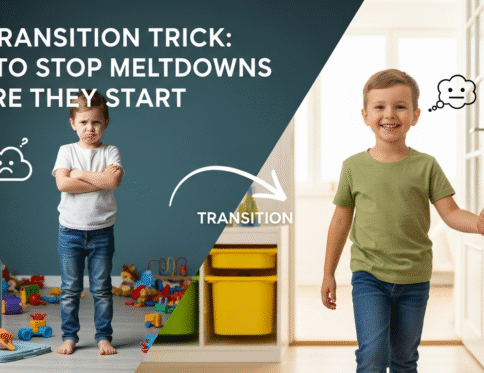
This state often leads to a meltdown. Unlike a tantrum, a meltdown is not goal-oriented. It’s an involuntary reaction to being in a state of “fight, flight, or freeze.” The child’s brain has essentially short-circuited.
Key overstimulated child symptoms:
- It’s a Reaction: It’s not purposeful; the child is genuinely distressed and overwhelmed.
- It Happens Regardless of Audience: They aren’t “performing” for you. They will melt down even if no one is watching.
- They Are Not in Control: This is the key difference between tantrum and meltdown. The child cannot just “stop” it.
- Shutdown Behaviors: You may see them covering their ears, hiding their face, or trying to escape the area.
- It Doesn’t Stop Easily: Giving them what they “want” (if they even asked for anything) won’t stop the meltdown. The only thing that helps is reducing the sensory input and co-regulating.
This is a common experience for all children, but especially for those with sensory overload in toddlers or children who are neurodivergent.
📊 Tantrum vs. Overstimulation: A Quick Guide
Here’s a simple chart to help you tell the difference in the heat of the moment.FeatureTantrum (Behavioral)Meltdown (from Overstimulation)The “Why”Frustration over a specific “want” or “no.”Overwhelmed by sensory/emotional input.The GoalTo gain something (a toy, attention, control).To escape the overwhelming situation.ControlChild is testing boundaries and is (mostly) in control.Child is out of control; it’s an involuntary reaction.How it StopsWhen the goal is met or the child gives up.When the nervous system calms down (requires time, safety, and reduced stimuli).
Understanding whether you’re dealing with a tantrum or overstimulation is crucial because the response is completely different.
🛠️ How to Respond: The Right Tool for the Job
Your response should match the cause of the distress.
How to handle a tantrum:
- Stay Calm and Firm: Your child is testing a boundary. Your job is to hold it. Getting angry or yelling only adds fuel to the fire.
- Validate the Feeling, Not the Behavior: “I see you are very angry that we can’t buy the toy. It’s okay to be angry, but we are not hitting or screaming. We are leaving the store now.”
- Be Consistent: If you give in, you teach them that a tantrum is an effective tool.
- Ignore (If Safe): If the tantrum is purely for attention and they are in a safe place, “planned ignoring” can be effective.
How to help an overstimulated child:
- Be a Safe Space, Not a Disciplinarian: This is not a moment for teaching a lesson. Your child is scared and overwhelmed. They need you to be their calm anchor.
- Remove the Stimuli: Your first priority is to get them to a quieter, darker, or less crowded place. Go to the car, a quiet bathroom, or just step outside.
- Don’t Reason or Talk Too Much: Their brain can’t process words right now. Use a low, calm voice and simple, reassuring phrases: “You are safe. I am here.”
- Offer Comfort (If They Want It): Some children want a firm hug (deep pressure can be calming). Others may not want to be touched. Follow their lead.
Learning to see the behavior as a signal rather than a problem is one of the most powerful parenting tips. By learning Is It a Tantrum or Overstimulation? How to Tell the Difference, you can stop being a referee and start being the supportive coach your child needs.Disclaimer: This article is for informational purposes only and does not constitute medical or psychological advice. If you have concerns about your child behavior, please consult with a pediatrician, child psychologist, or other qualified healthcare professional.