


Direct Answer: The most effective toddler transition tips focus on replacing abrupt verbal demands with predictable multisensory cues. Giving a 5-minute visual countdown, following a visual picture schedule, and building a 3-minute physical movement bridge (such as balancing on a wooden rocker or walking like an animal) allows a child’s immature prefrontal cortex to shift attention without emotional overwhelm or tantrums.
What Are Transitions, and Why Do They Cause Meltdowns?
In early childhood, a transition is any shift from one activity, location, or routine to another. Common daily transitions include:
- Moving from building blocks to sitting down at the classroom dining table
- Switching from screen time to taking an evening bath
- Waking up from a nap and getting dressed for daycare
- Leaving home to get buckled into the car seat
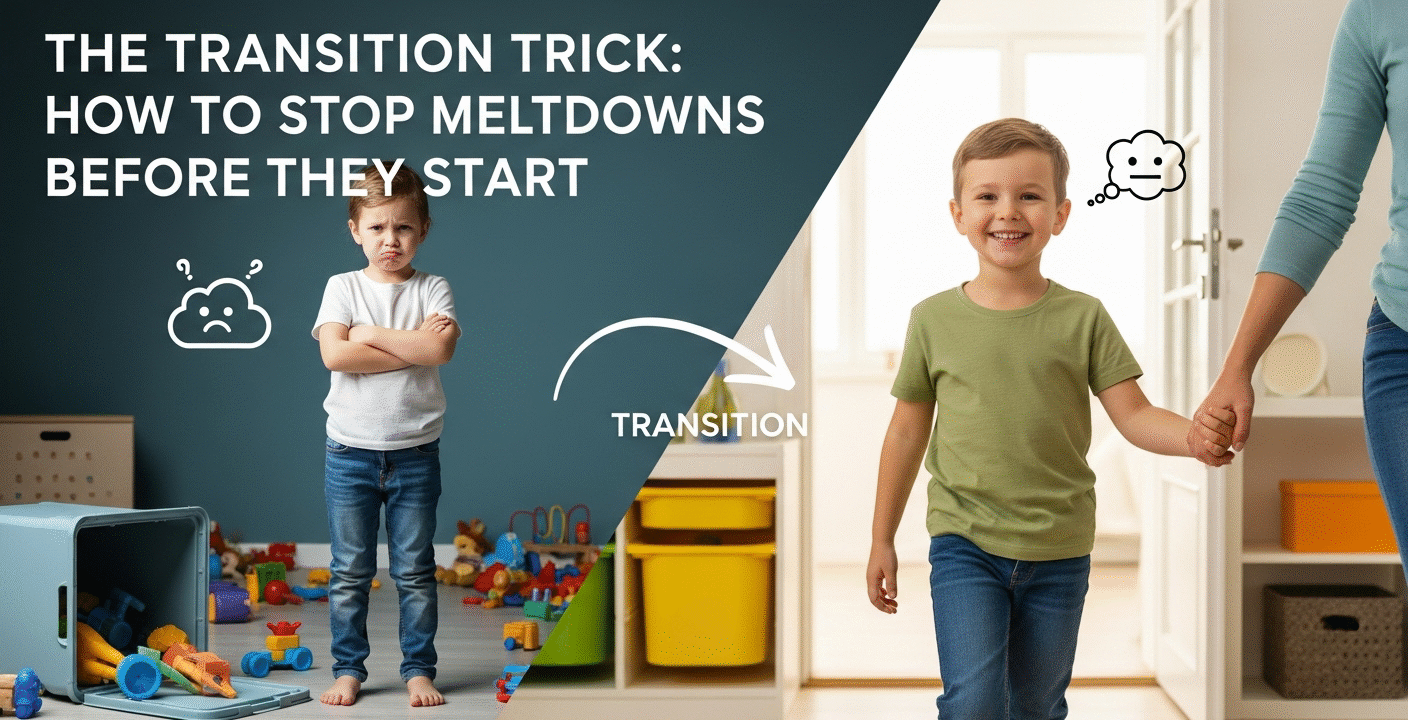
While adults switch tasks automatically, young children experience task-switching as a significant neurological challenge. A toddler’s brain lives entirely in the present moment. When engrossed in play, asking them to stop immediately is a sudden disruption to their autonomy. Consequently, unexpected transitions trigger sensory overload and emotional dysregulation, according to the Canadian Paediatric Society.
5 Actionable Toddler Transition Tips to Prevent Meltdowns
1. Use Clear Multi-Sensory Countdowns
Instead of announcing an immediate departure, provide structured, timed warnings. State clearly: “We are leaving the playground in five minutes. When the sand timer finishes, it is time to put on our shoes.” Using a visual sand timer or an auditory song cue makes the passage of time concrete for children who cannot yet read a clock.
2. Introduce a Visual Routine Board
Visual picture schedules give children predictable structure throughout the day. For smaller micro-transitions, use a simple First / Then sequence:
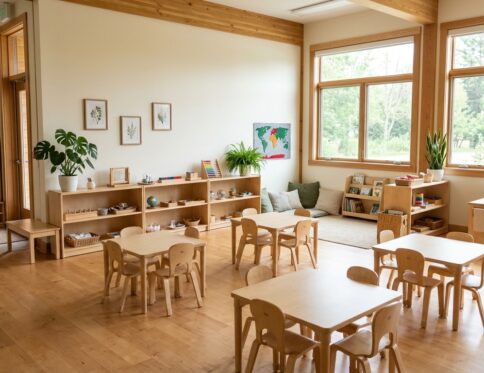
- First: Put the wooden building blocks on the Montessori open shelf.
- Then: We read two picture books together.
This simple visual reminder shows that completing a non-preferred task leads directly to a preferred activity.
3. Turn the Transition into an Active Movement Game
Young children process instructions through their bodies. When moving from the playroom to the dinner table, invite them to bear-crawl, hop like a rabbit, or rock for 30 seconds on a Wavyboard wooden balance board. This brief burst of vestibular and proprioceptive input calms the nervous system and resets attention.
4. Offer a Comforting Transitional Object
Leaving a fun activity is easier when children can carry a small piece of their play with them. Allow your child to carry a favourite wooden toy car, a pinecone from the park, or a soft companion to the lunch table. Holding the object provides emotional continuity during the shift.
5. Provide Two Empowering Choices
Toddler resistance often stems from feeling powerless. Offering two acceptable choices restores a sense of control without sacrificing the routine:
- “Do you want to put on your red boots first, or your blue jacket first?”
- “Would you like to skip to the car like a kangaroo or march like a soldier?”
Consistency Builds Lifelong Self-Regulation
Preventing meltdowns is not about achieving instant obedience. Rather, applying consistent toddler transition tips helps your child develop neurological flexibility and emotional resilience. Over time, predictable routines transform stressful daily transitions into peaceful, cooperative family moments.
Disclaimer: The information provided in this article is for general educational and informational purposes only and does not constitute medical, pediatric, or legal advice. Consult a qualified professional for specific developmental guidance. Product dimensions and specifications are based on current catalog data and subject to standard manufacturing tolerances.