

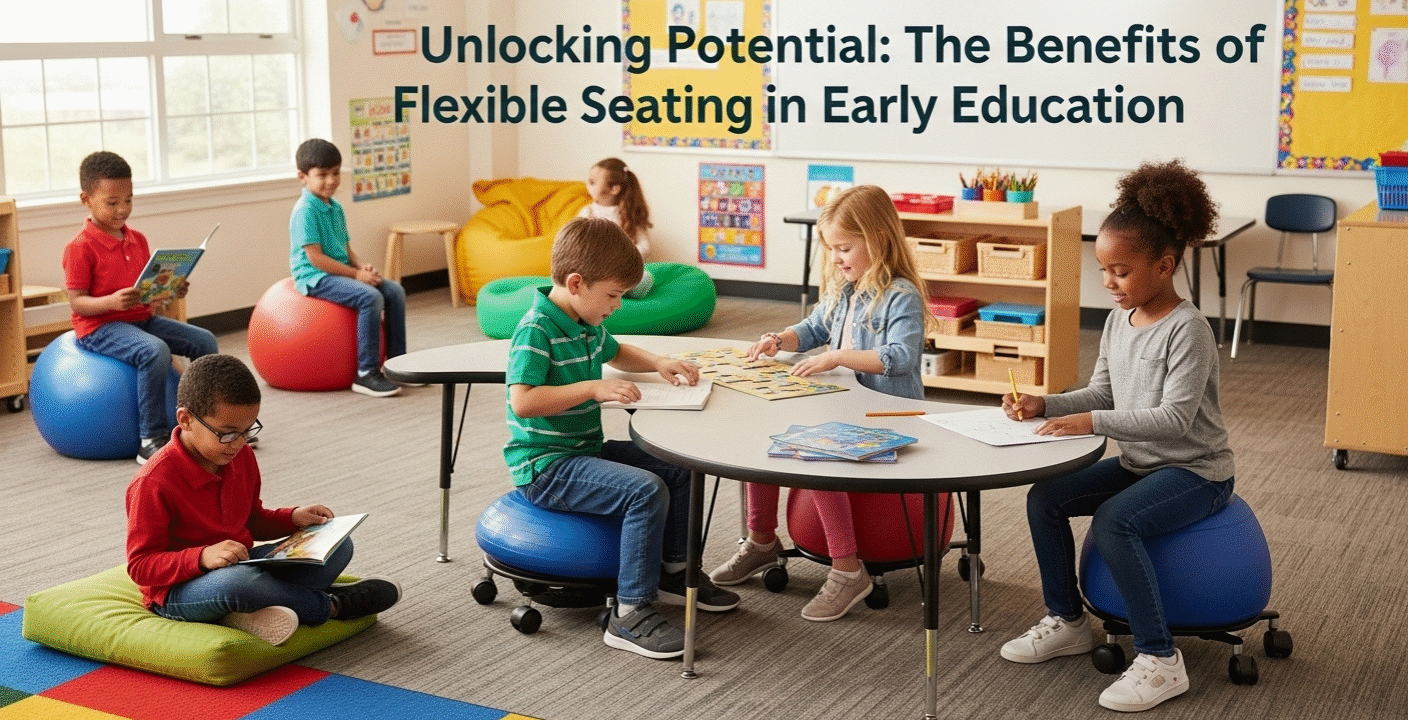

Step into a traditional classroom, and you’ll likely see rows of desks, all facing the front. It’s a model we know well, but it was designed for an era of passive listening. Today, we understand that young children are active, dynamic individuals who learn best when they can move, choose, and engage with their environment. This is where the power of flexible seating in early education comes into play. By rethinking our classroom design, we can create active learning environments that cater to the whole child, boosting engagement, and nurturing essential life skills.
This guide moves beyond a simple definition to explore the profound benefits I’ve witnessed firsthand in a 21st-century classroom. We will provide the.why and the how, giving you the confidence to implement a student-centered learning approach that truly meets the needs of your students.
What Exactly is Flexible Seating?
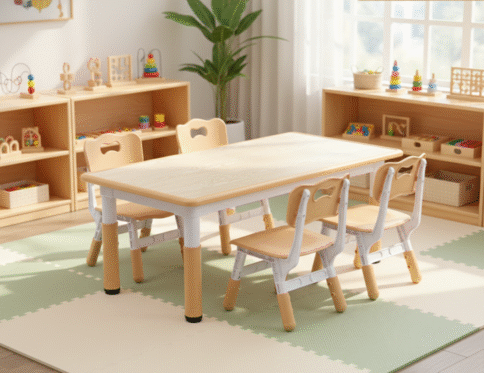
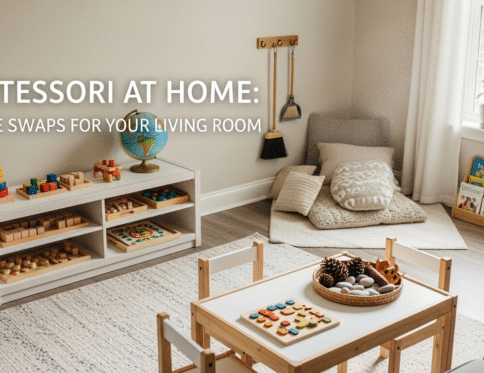
Flexible seating is an approach to classroom design that provides students with a variety of seating and working options. Instead of assigning a specific desk to each child, the classroom is filled with choices like wobble stools, floor cushions, beanbag chairs, low tables, and standing desks. The core principle is student choice; children are empowered to select a spot that helps them feel comfortable and focused for the task at hand.
The Core Benefits: Why It Works
Adopting flexible seating is about more than just aesthetics; it’s a strategy rooted in child development that profoundly impacts learning and well-being.
- Supports Physical Health and Kinesthetic Learners Little bodies are not meant to sit still for hours. Flexible seating honors this by design. Options like wobble stools and standing desks allow for constant, subtle movement, which increases blood flow and focus. This is particularly transformative for kinesthetic learners, who need to move to process information effectively.
- Increases Student Focus and Engagement When a child has agency over their environment, their investment in learning skyrockets. By choosing a seating option that feels right for them, students can minimize distractions and improve their ability to concentrate. I’ve consistently observed that in a flexible seating environment, students are more on-task, more engaged, and demonstrate a greater sense of ownership over their work. This is the heart of student-centered learning.
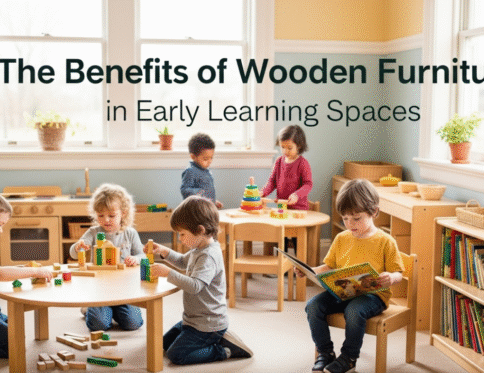
- Fosters a Collaborative Community The traditional desk model can create invisible barriers between students. Flexible seating encourages a more communal atmosphere. It’s easier for students to group together for collaborative projects, partner reading, or problem-solving activities. This fluid environment naturally builds communication and teamwork skills.
- Enables Differentiated Instruction No two students learn in the same way. Flexible seating is a form of built-in differentiated instruction. A child who needs quiet space can tuck into a comfy corner, while a student who needs to wiggle can choose a wobble chair. It allows educators to meet individual student needs without having to create dozens of different lesson plans.
- Improves Classroom Management While it may seem counterintuitive, giving students choice and freedom can lead to better behavior. When students’ fundamental need for movement and comfort is met, many common behavioral issues related to restlessness and discomfort simply fade away. Effective classroom management becomes less about correcting behavior and more about guiding empowered learners.
How to Implement Flexible Seating in Your Classroom
Transitioning to a flexible classroom doesn’t have to be an expensive or overwhelming overhaul.
- Start Small: You don’t need to replace all your furniture at once. Begin by introducing a few options, like a small low table with floor cushions or a designated standing-height counter.
- Offer Variety: Survey your students and incorporate a range of seating that allows for different positions: sitting, standing, kneeling, and even lying down for activities like independent reading.
- Set Clear Expectations: This is the most crucial step. Model how to choose a spot, how to use each seating option correctly, and how to respectfully share the space. As noted by child development experts, clear boundaries are key to freedom. Creating anchor charts with rules can be a great visual reminder.
By embracing flexible seating in early education, you are trusting your students and empowering them to become active participants in their own learning journey. It is a powerful shift that can unlock potential you never knew was there.
Disclaimer: This blog post is for informational purposes only and does not constitute professional educational or developmental advice. The effectiveness of any classroom strategy can vary based on the specific context and student population. Please consult with educational specialists or school administrators for tailored guidance.