


Creating a dedicated space for art in your home is one of the most rewarding gifts you can give your child. It’s more than just a place to get messy; it’s a corner of the world where their imagination can take flight. As a parent who has embraced the Montessori philosophy, I’ve found that a thoughtfully prepared Montessori art station does more than just contain the glitter and glue. It nurtures independence, builds concentration, and empowers your child to become a confident creator. This guide will provide you with the practical steps and the core philosophy needed to set up a beautiful and functional Montessori art station in your own home. Our goal is to create a “10x” resource that moves beyond a simple list of supplies.
The “Why”: Understanding the Montessori Philosophy of Art
Before we arrange a single crayon, it’s essential to understand the “why” behind the method. Unlike traditional crafts with a specific end product, the Montessori approach champions process art for kids.
- Focus on the Process, Not the Product: The goal is exploration—how the paint feels, how the colors mix, the sound a crayon makes on paper. This approach allows children to experiment without the pressure of creating a “perfect” picture.
- Fostering Independence: A core tenet of Montessori at home is providing tools and an environment that children can use themselves. This builds their self-esteem and confidence in their own abilities.
- Developing Concentration: By providing a limited, uncluttered selection of materials, we help children focus their attention and engage deeply with the task at hand. This “chunking” of materials prevents overwhelm and encourages prolonged engagement.
The “How”: Preparing Your Creative Space
Creating a Montessori art station is about thoughtful preparation, not expensive purchases. The key is accessibility and order.
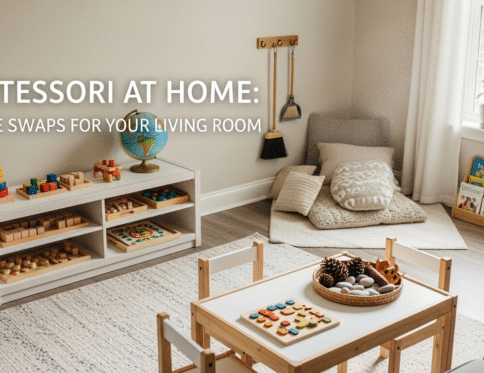
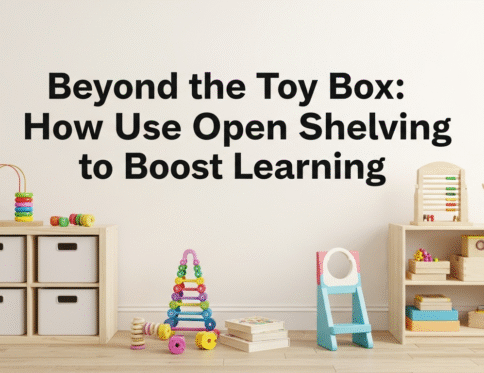
- Choose a Low, Accessible Shelf: The cornerstone of the station is a low, open Montessori art shelf that your child can easily see and reach. This empowers them to choose their activities independently. The shelf should be kept clean and organized.
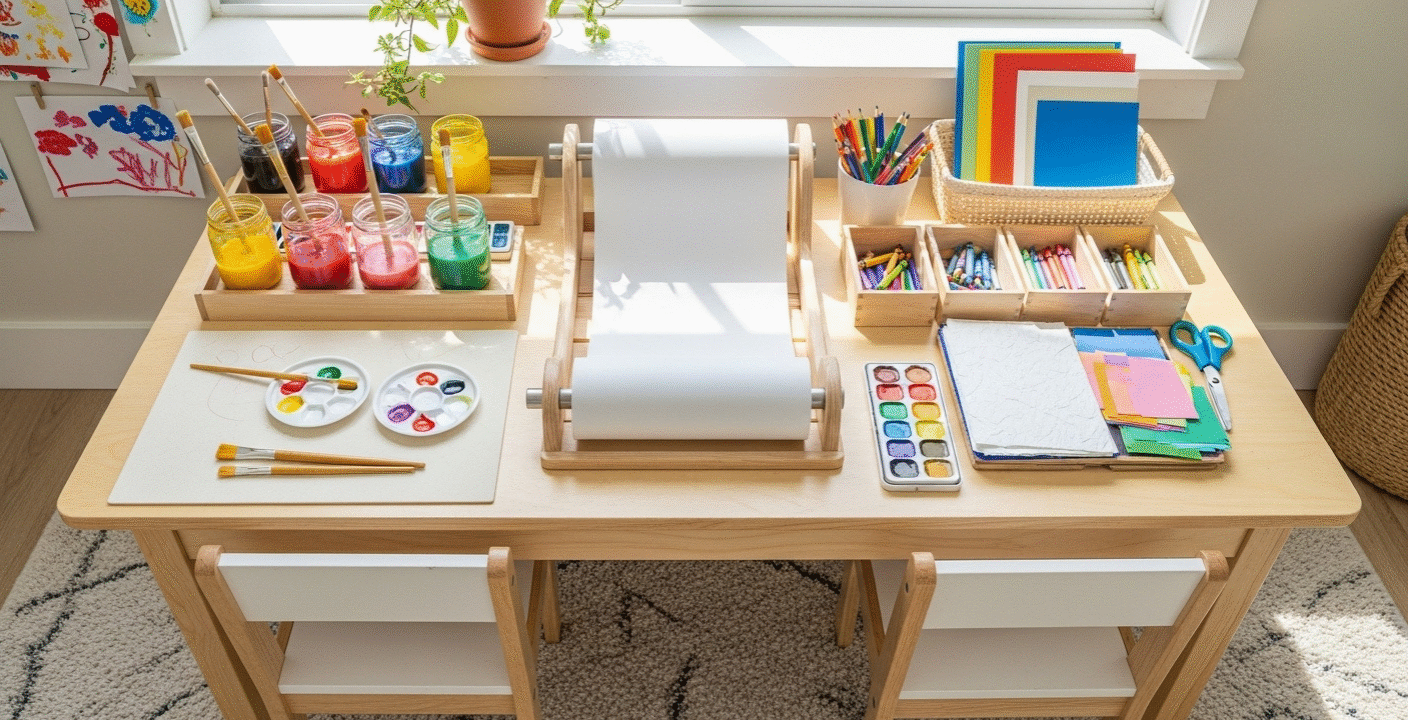
- Everything in its Place: Use small trays, baskets, and jars to house the materials. Each activity should have its own tray. For example, a “painting tray” might hold a small jar of water, a palette with two primary colors, a brush, and a small sponge for spills. This order helps children understand how to use and, crucially, how to put away their materials.
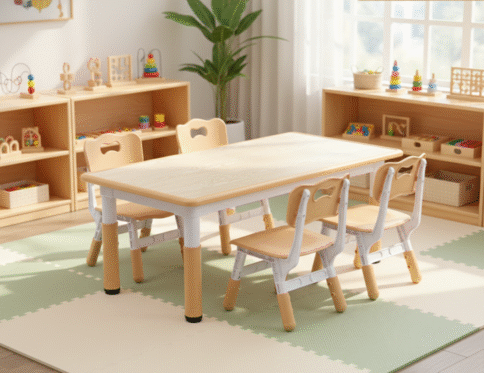
- Define the Workspace: Place a small, child-sized table and chair next to the shelf. This defines the art area and provides a comfortable, ergonomic space for them to work. Consider placing a washable mat underneath to protect your floors and reduce your own anxiety about mess.
The “What”: Curating Your Art Supplies
In a Montessori art station, less is more. The focus is on quality, real materials that are rotated to maintain interest. Avoid overwhelming your child with too many choices.
For a Toddler or Preschooler, Start With:
- Drawing:
- Thick, high-quality crayons in a few basic colors.
- Chunky, washable markers.
- A small stack of plain paper, cut to a manageable size.
- Painting:
- Start with one or two primary colors of tempera or watercolor paint.
- A couple of thick, easy-to-grip brushes.
- A small, stable water pot that won’t easily tip over.
- Cutting and Gluing:
- Child-safe scissors that really cut paper (blunt ones cause frustration!).
- A small pot of non-toxic glue with a brush applicator.
- Strips of colored paper for snipping.
As your child grows, you can rotate in other materials like modeling clay, chalk, or different types of paper and paint to create a dynamic and engaging creative space for toddlers. Remember to include cleaning supplies, such as a small sponge and a cloth, to teach your child how to care for their environment.
By setting up a dedicated DIY art station, you are doing more than just providing an activity. You are sending a powerful message to your child that their creativity is valued, their choices are respected, and they are capable and independent individuals.
Disclaimer: This blog post is for informational purposes only. Please ensure all art materials are age-appropriate and non-toxic, and always supervise young children during art activities.