


If you’ve ever stepped on a stray building block at midnight or felt overwhelmed by a tidal wave of toys, you know the chaos a playroom can descend into. But what if that space could be more than just a container for clutter? What if it could be a carefully designed environment that fuels curiosity, encourages focus, and sparks a genuine love of learning? This guide provides a comprehensive framework to help you
organize a playroom for maximum learning potential.
As a parent who has navigated the mountain of plastic, I’ve learned that a well-organized playroom isn’t about achieving perfection; it’s about creating a “prepared environment” that supports child development. We will move beyond simple storage hacks to create a dynamic, valuable user experience for your child, focusing on principles that foster deep, meaningful
learning through play. This approach is designed to provide unique value and insights not easily summarized by a simple AI overview.
The Philosophy: From Chaos to Calm-Powered Learning
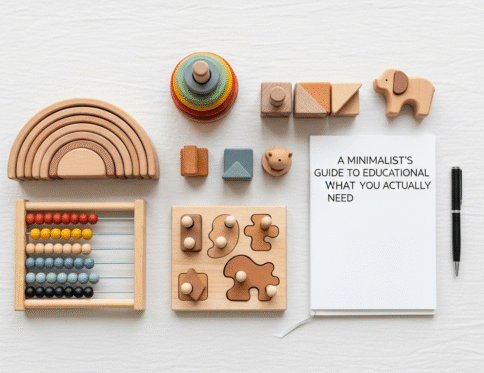
The foundation of an educational playroom is simple: less is more. A cluttered, overstimulating environment can overwhelm a child’s developing brain, leading to shorter attention spans and an inability to engage deeply with any single toy. By intentionally curating their space, we reduce their cognitive load and empower them to make meaningful choices.
This method transforms the playroom from a source of stress into a place of purpose, aligning directly with the principles of creating helpful, people-first content and experiences.
The 4-Step Method to an Educational Playroom
Transforming your space requires a systematic approach. By following these four steps, you can create a sustainable system that works for your family.
Step 1: The Great Declutter (The “Less”)
The first step is always the hardest. The goal here is not just to tidy up, but to strategically edit your child’s toy collection.
- Gather Everything: Pull out every single toy, book, and art supply.
- Sort Ruthlessly: Create three piles: Keep, Donate/Store, and Toss (for broken items). In the “Keep” pile, only place toys that are open-ended (can be used in multiple ways), high-quality, and align with your child’s current developmental stage.
- Involve Your Child (Age-Appropriately): For older toddlers and preschoolers, you can explain that you’re making space for new activities and ask them to choose their absolute favorites.
Step 2: Create Learning Zones (The “Order”)
Once you’ve decluttered, the next step in your playroom organization is to create designated areas for different types of play. This structure helps children understand that there is a place for everything, making cleanup intuitive.
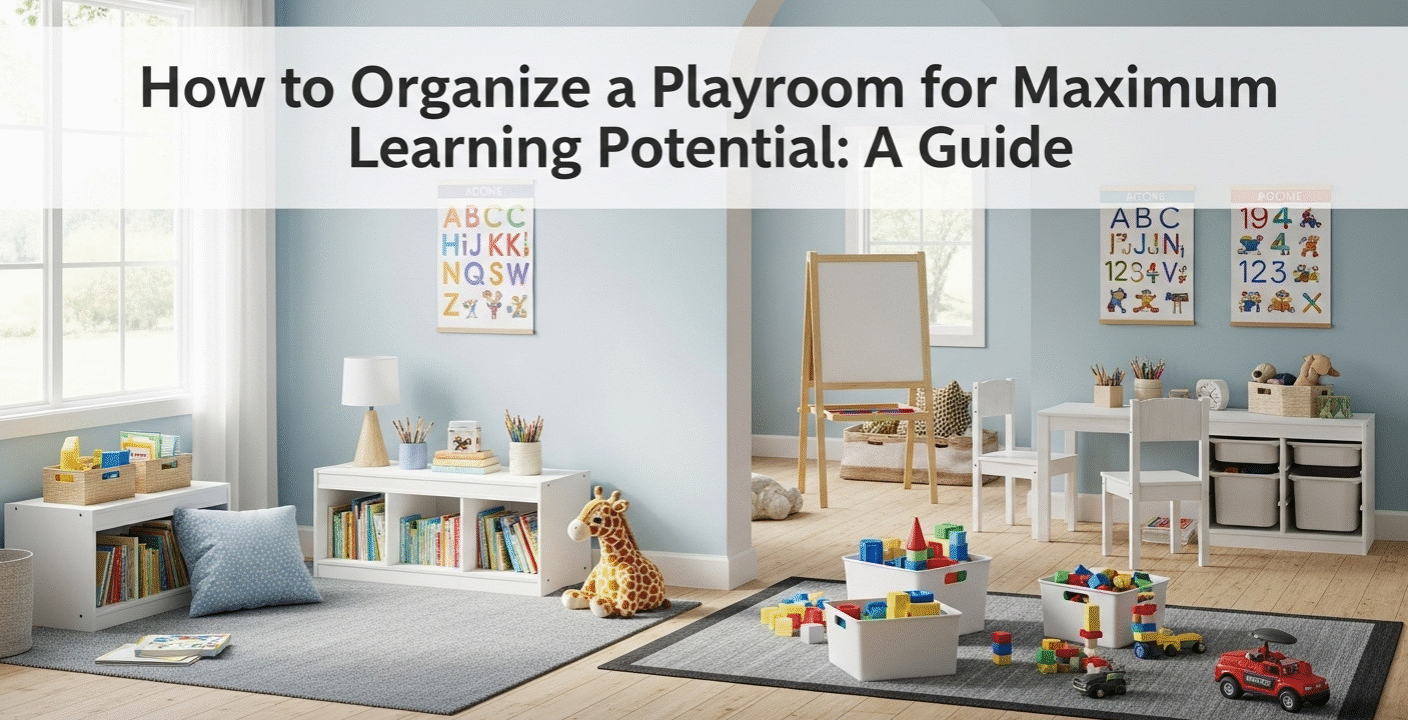
- Reading Nook: A comfy corner with a soft rug, pillows, and a low, forward-facing bookshelf.
- Building & Manipulatives Zone: An open floor space for blocks, puzzles, and STEM toys.
- Art & Creation Station: A small table with easy access to paper, crayons, and play-doh.
- Imaginative Play Area: A space for dress-up, a play kitchen, or dolls.
Creating learning zones helps children practice sorting and categorization, a foundational skill for math and literacy.
Step 3: Select Smart Storage (The “Place”)
The right storage is critical. The goal is accessibility and visibility for the child, not hiding things away.
- Use Low, Open Shelving: Children need to be able to see their choices and access them independently. This is a core principle of the Montessori playroom approach.
- Utilize Baskets and Bins: Place similar items together in small, open baskets on the shelves. For example, one basket for wooden blocks, one for animal figures, one for cars.
- Label Everything with Pictures: Print out a photo of the contents and tape it to the outside of the bin. This empowers pre-readers to clean up on their own, as they can match the toy to the picture.
Step 4: Implement a Toy Rotation System (The “More”)
This is the secret to keeping the playroom engaging and maximizing the value of your toys. A toy rotation system is one of the most effective educational playroom ideas.
- Store the Excess: After you’ve set up your newly organized shelves, pack the rest of the “Keep” toys away in bins and store them out of sight.
- Rotate Weekly or Bi-Weekly: Every couple of weeks, swap out a few of the toys on the shelves with items from storage.
- Observe and Adapt: Pay attention to what your child is engaging with. If they’re showing a sudden interest in dinosaurs, rotate the dinosaur toys back in.
This system prevents boredom and makes old toys feel new again. It also allows you to align the available toys with your child’s evolving interests and developmental needs. For a deeper dive into the educational philosophies behind this, the work of Maria Montessori offers profound insights.
By following this framework, you can organize a playroom for maximum learning potential. It’s an investment of time that pays dividends in your child’s focus, creativity, and independence, creating a truly helpful and enriching environment.
Disclaimer: This blog post is for informational purposes only and is based on shared parental experiences and educational principles. It does not constitute professional advice. Please consult with a child development specialist or educational expert for guidance tailored to your child’s specific needs.