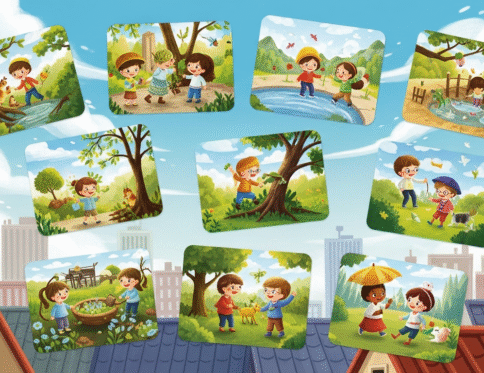


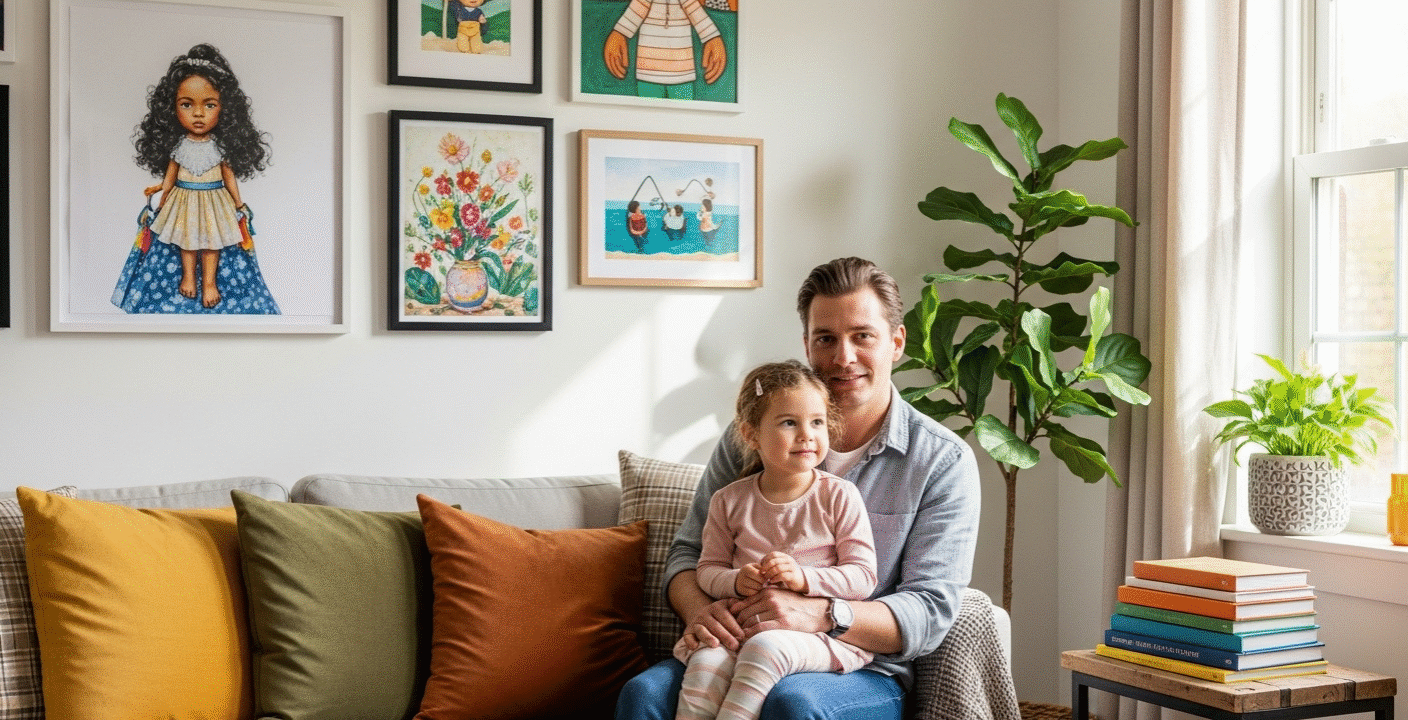

If you’re a parent, you know the scene: a growing, glowing pile of your child’s creative masterpieces on the kitchen counter. Every piece feels too precious to toss, but the clutter is real. The perfect solution? Transform that pile of paper into a point of pride. It’s time to create a family art gallery right in your own home.
This guide goes beyond just hammering a nail in the wall. As a parent who has turned a chaotic mess of paintings into a beloved
family art wall, I’m sharing the genuine, first-hand insights that make the process joyful and the result beautiful. We’ll move beyond basic AIO-style answers and give you a comprehensive, “10x” framework for creating a display that not only looks fantastic but also honors your child’s budding creativity.
Why a Family Art Gallery is More Than Just Decoration
Before we grab the frames, let’s talk about the why. A dedicated space for displaying children’s artwork is a powerful tool for nurturing your child. It sends a clear message: “Your work is important. You are important.” This simple act can boost their self-esteem, encourage further creative exploration, and create a deeply personal and unique home environment that tells your family’s story. It’s an act of love made visible.
Step 1: Curate Your Collection Like a Pro
The first step in our DIY art gallery project is choosing the art. This is a perfect opportunity to connect with your child.
- Involve Your Little Artists: Sit down with your child and go through their work together. Ask them to pick their absolute favorites. Hearing them describe why they love a particular piece is a rewarding experience in itself and infuses the gallery with personal stories.
- Look Beyond the Paintings: A great home art gallery has variety. Think about including clay sculptures on a nearby shelf, interesting school projects, or even a framed poem or short story.
- Think in Themes for Information Gain: To make your gallery feel cohesive and provide unique value, group artwork by themes. This creates a “linkable asset” that is more unique than a simple collection. Some ideas include:
- The Blue Period: Gather all the artwork that heavily features the color blue.
- Creature Feature: A collection of all their animal drawings and creations.
- Self-Portraits Through the Year: Showcase their developing skills and self-perception.
- Abstract Expressions: A vibrant collection of their non-representational paintings.
Step 2: Choose Your Display Style & Frames
Now, let’s explore some popular kids’ art display ideas. The key is choosing a system that works for your space and style.
- The Classic Grid: This involves using identical frames and arranging them in a symmetrical grid. It creates a clean, formal look that elevates the artwork. This is my personal favorite for a living room or hallway.
- The Eclectic Mix: Use a variety of frame styles, sizes, and colors. This approach creates a more playful, bohemian family art wall. It’s very forgiving and can grow organically over time.
- The Cable & Clip System: A wire or string hung across a wall with clips allows you to easily hang and rotate unframed art. This is a fantastic, flexible option for a playroom or your child’s bedroom.
- Front-Opening Children’s Art Frames: These are a game-changer. These special frames are built like a shadow box and hinged to open from the front, allowing you to swap art in seconds without taking the frame off the wall. Many even store dozens of previous works behind the current display piece.
Step 3: Design and Hang Your Gallery Wall
Proper planning prevents a wall full of misplaced nail holes.
- Location, Location, Location: High-traffic areas like hallways, stairways, or the family room are perfect. They ensure the art is seen and enjoyed daily.
- Map It Out First: Before you touch a hammer, trace each frame onto craft paper or newspaper. Cut them out, and use painter’s tape to arrange the paper templates on the wall. You can live with it for a day or two, making adjustments until the layout feels perfect. This is a critical tip that comes from genuine experience.
- Gather Your Tools: You’ll need a hammer, nails or picture hangers, a level, and a pencil. A level is non-negotiable for a professional-looking result!
Step 4: Keep it Fresh by Rotating the Artwork
A key to long-term success when you create a family art gallery is rotation. A static display can fade into the background.
- Set a Schedule: Decide how often you’ll update the gallery. It could be every month, every season, or at the end of each school term.
- Create a “Memory Box”: When an artwork is retired from the wall, photograph it for a digital album. Then, store the physical original in a designated portfolio or memory box. Write the child’s name and the date on the back.
By taking a thoughtful, deliberate approach, you can move beyond clutter and create a family art gallery that serves as a beautiful, evolving testament to your child’s journey. It’s a project that builds their confidence and fills your home with unparalleled personality and love. To see how these principles align with broader design concepts, you can explore resources from established home decor authorities.
Disclaimer: This blog post is for informational purposes only. Please use caution when using tools and ensure all wall hangings are securely fastened.