

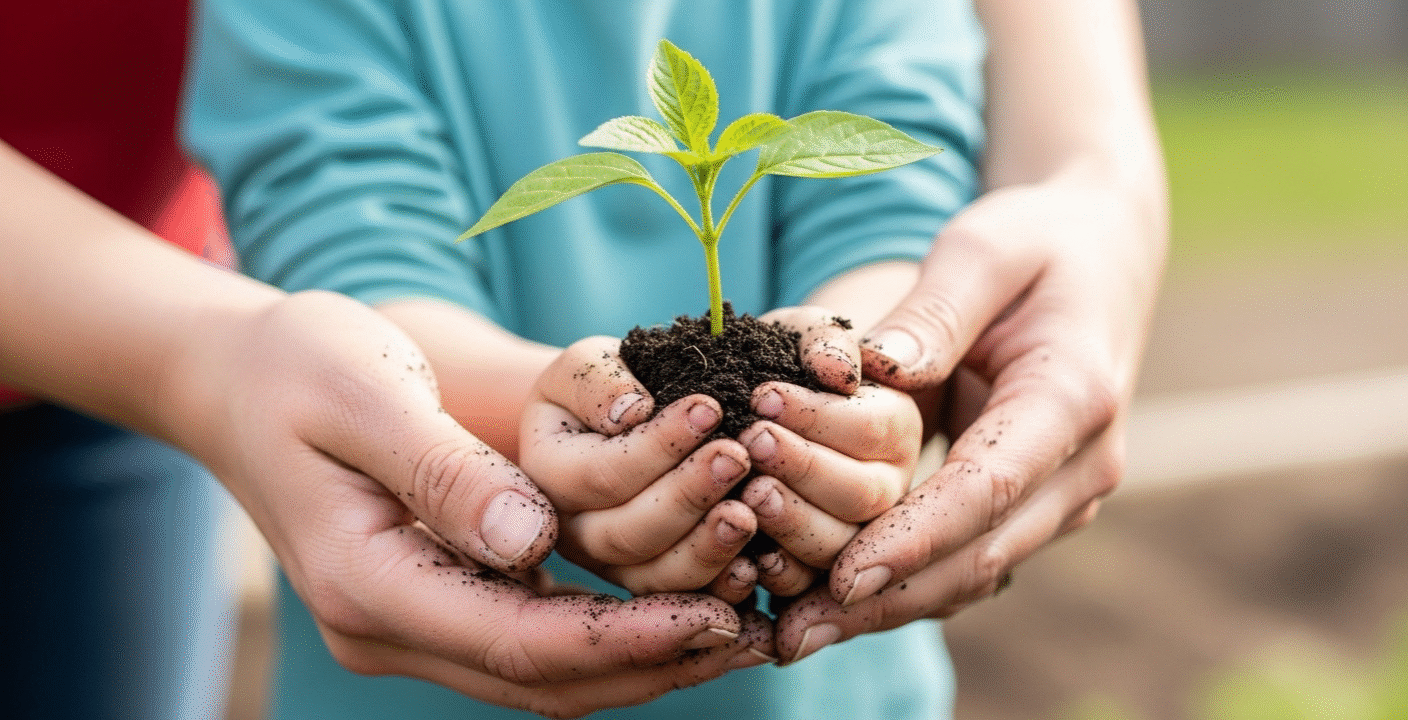

Getting into gardening with kids is about more than just playing in the dirt; it’s one of the most rewarding outdoor activities for children that doubles as a powerful classroom for life. As a parent, I’ve seen firsthand how a simple seed can blossom into lessons of patience, responsibility, and scientific wonder. In a world of screens and instant gratification, the garden offers a unique, hands-on space to connect with nature and cultivate essential
life skills from gardening.
This guide moves beyond a simple list of easy plants for kids to grow. It’s designed to provide unique value and perspective, helping you transform your backyard or balcony into a place of joyful learning and
family gardening. We’ll explore fun, engaging
kids gardening projects that are specifically architected to teach invaluable lessons.
Why the Garden is the New Classroom: Core Benefits
Before digging in, it’s important to understand why gardening with kids is so impactful. This isn’t just about keeping them busy; it’s about holistic development.
- Patience and Delayed Gratification: A seed doesn’t become a tomato overnight. Kids learn to wait, watch, and nurture, understanding that good things take time.
- Responsibility: A plant’s survival depends on consistent care. Daily watering and weeding teach children a tangible form of responsibility and consequence.
- Science in Action: They’ll witness the life cycle firsthand, learn about photosynthesis, and discover the ecosystem of worms, bees, and butterflies in their own backyard.
- Confidence and Pride: The excitement of eating a carrot they grew themselves is immense. It builds self-esteem and a profound sense of accomplishment.
Getting Started: Your Toolkit for Success
You don’t need a huge yard to start. A few pots on a sunny balcony are all it takes.
- Kid-Sized Tools: Invest in small, sturdy gloves, a trowel, and a small watering can. Tools that fit their hands make the experience less frustrating and more empowering.
- Choose the Right Plants: Start with things that grow relatively quickly to maintain excitement. Radishes, lettuce, sunflowers, and bush beans are excellent choices.
- Safety First: This is a crucial aspect of YMYL (Your Money or Your Life) content, as it pertains to a child’s well-being. Always supervise children in the garden. Teach them that tools are not toys, establish clear boundaries, and ensure they know which plants are safe to touch and eat.
5 Fun Kids Gardening Projects to Teach Life Skills
Here are five creative projects designed to be both fun and educational. Each one is a “10x” idea, crafted to be more comprehensive and valuable than a standard list.
- The Pizza Patch Garden
- The Project: Section off a round garden bed into “slices.” In each slice, plant a key pizza ingredient: tomatoes, basil, oregano, bell peppers, and onions.
- Life Skill (Planning): This project teaches planning and design. Kids learn how different plants come together to create a final product.
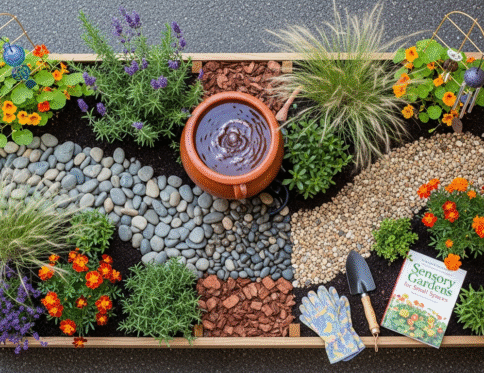
- A Sensory Herb Pot
- The Project: Plant a container with herbs that engage all the senses. Think fragrant mint, fuzzy lamb’s ear, sharp-smelling rosemary, and delicate parsley.
- Life Skill (Mindfulness): This encourages children to slow down and use their senses to explore the world, fostering mindfulness and observation skills.
- The Upcycled Container Garden
- The Project: Forget traditional pots. Challenge your kids to find and decorate recycled containers for planting. Old rain boots, toy dump trucks, or tin cans all work (just ensure you add drainage holes).
- Life Skill (Creativity & Sustainability): This project sparks creativity and introduces the concept of recycling and repurposing in a fun, practical way.
- Sunflower Race to the Sky
- The Project: Have each family member plant a sunflower seed (Mammoth varieties are great for this). Give each a named plant marker. The project is to see whose sunflower grows the tallest.
- Life Skill (Data & Measurement): Equip them with a measuring tape and a small notebook. They can measure their plant each week, practicing numbers and charting data like a real scientist.
- Build a Pollinator Paradise
- The Project: Dedicate a small patch to flowers known to attract bees and butterflies, such as zinnias, cosmos, and bee balm.
- Life Skill (Empathy & Ecology): This project teaches the interconnectedness of nature. As you can read from authoritative sources like the National Gardening Association, kids learn that their garden is part of a larger ecosystem and that they can actively help other living creatures.
Nurturing a Lifelong Love for Nature
The benefits of gardening for kids extend far beyond a single season. Keep the engagement alive by cooking what you grow, pressing flowers, and saving seeds for next year. The goal is not just to complete a project but to cultivate a lasting connection to the natural world.
By focusing on these engaging and educational projects, you can do more than just grow plants. You can create lasting memories and successfully use gardening with kids as a tool to cultivate resilient, patient, and confident human beings.
Disclaimer: This article is for informational purposes only. Always supervise children during gardening activities, ensure they use age-appropriate tools, and be aware of any potentially toxic plants or allergies.