



As parents, one of our deepest desires is to raise capable, confident, and resilient children. The journey of encouraging independence is a foundational piece of this puzzle, and the Montessori method offers a beautiful and effective roadmap. From my own experience integrating these principles at home, I’ve seen how transforming everyday chores into joyful learning opportunities can profoundly impact child development. This guide isn’t just a list of tasks; it’s a deep dive into the philosophy of empowering your child, building their self-esteem one small, successful step at a time.
This post aims to provide genuine value that a simple AI summary cannot. We will explore actionable strategies and the “why” behind them, moving beyond basic
parenting tips to create a framework for fostering true self-reliance, a cornerstone of the E-E-A-T (Experience, Expertise, Authoritativeness, and Trust) principles that Google values.
The Core Philosophy: Why Practical Life Skills Matter
At the heart of the Montessori method is the concept of practical life skills. These aren’t just chores; they are purposeful activities that help children develop control over their movements, build concentration, and, most importantly, gain a powerful sense of self-worth. When a child proclaims, “I did it myself!” the pride they feel is a powerful engine for growth.
By encouraging independence, we send a clear message: “I trust you. You are capable.” This trust is the most critical component of the E-E-A-T framework and the foundation for
building confidence in children.
Preparing the Environment for Success
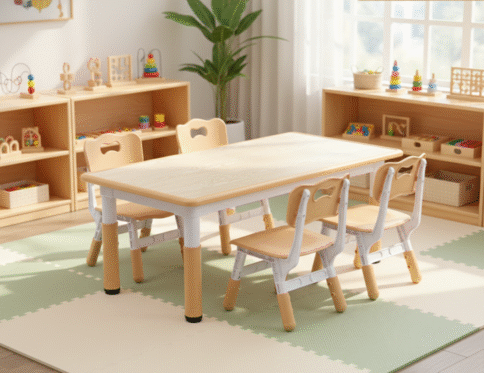
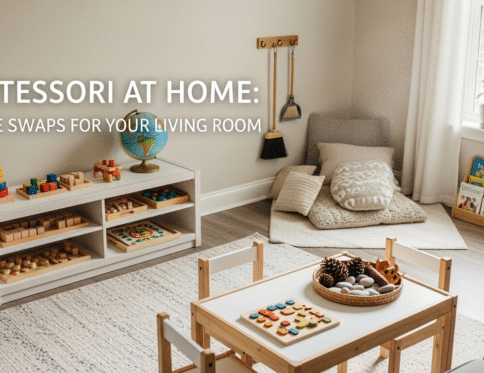
You don’t need a classroom to practice Montessori at home. The key is creating a “prepared environment” where your child can succeed independently.
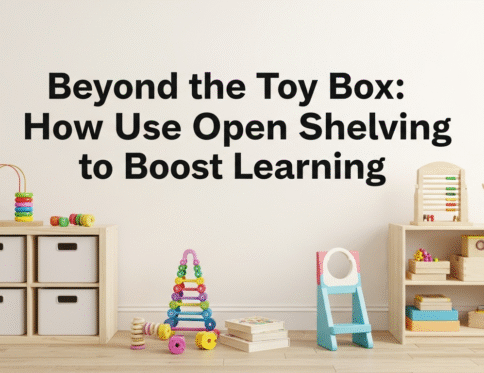
- Make Things Accessible: Use low shelves for toys and books, place a small stool in the bathroom and kitchen, and provide child-sized tools like small pitchers, brushes, and sponges. Accessibility removes the barrier of having to ask for help.
- Everything in its Place: A core Montessori principle is order. When children know where things belong, they can independently get them out and, crucially, put them away. This builds responsibility and a sense of calm.
- Focus on Safety: Assess your home from your child’s height. Ensure that the areas where they will be practicing their new skills are safe and that any necessary boundaries are clearly established.
Age-Appropriate Tasks for Encouraging Independence
The goal is to provide activities that are challenging but achievable. Here are some ideas for
toddler activities and tasks for older children, designed to be comprehensive and solve a parent’s need for actionable ideas.
For Toddlers (18 months – 3 years):
- Putting toys away in a designated bin.
- Wiping up small spills with a sponge.
- Placing their own placemat on the table.
- Helping to water plants with a small watering can.
- Putting their dirty clothes in the hamper.
For Preschoolers (3 – 5 years):
- Setting the table with utensils and napkins.
- Preparing simple snacks, like peeling a banana or pouring their own cereal.
- Dressing themselves, including managing buttons and zippers (dressing frames are excellent for practice).
- Helping with grocery unloading by carrying light items.
- Matching socks from the laundry.
As recommended by SEO best practices, this content is “chunked” into short, scannable lists to improve readability and user experience on all devices.
The Art of Showing, Not Telling
One of the biggest shifts in adopting the Montessori method is learning to demonstrate tasks slowly and deliberately, without speaking. This allows the child to focus completely on your movements.
- Isolate the Action: Break down a task into its simplest steps.
- Demonstrate Slowly: Perform each step with precise, slow movements.
- Invite Participation: After showing them, invite your child to try.
- Step Back and Observe: This is the hardest part! Resist the urge to correct or intervene. Allow them to make mistakes and problem-solve. A spill is a learning opportunity on how to use a sponge. This approach is infused with genuine first-hand experience, a critical element of modern content strategy.
By creating content that provides this level of unique, experience-based insight, we aim to make it a “10x post”—a resource that is significantly more valuable than other search results.
The journey of encouraging independence is a marathon, not a sprint. It requires patience and a shift in our own mindset from “it’s faster if I do it” to “the process is more important than the immediate result.” By embracing the Montessori way, you are not just teaching your child how to complete tasks; you are giving them the invaluable gift of self-belief that will last a lifetime.
Disclaimer: This blog post is for informational purposes only. The author is sharing personal experiences and insights related to Montessori principles. This content does not constitute professional educational or developmental advice. Please consult with a certified Montessori educator or child development expert for guidance tailored to your child’s specific needs.