



In the heart of Montessori education lies a profound belief: children are naturally curious, eager learners. This philosophy, inspired by the visionary Dr. Maria Montessori, recognizes the innate potential within each child. Rather than imposing a rigid curriculum, Montessori classrooms provide a carefully prepared environment that encourages exploration, discovery, and independent learning.
The Montessori Method: A Closer Look
Montessori education is more than just a teaching method; it’s a holistic approach to child development. By focusing on the child’s individual needs and interests, Montessori educators create a learning environment that fosters:
- Independence: Children are encouraged to make choices and solve problems independently, building self-confidence and resilience.
- Concentration: Montessori materials are designed to captivate children’s attention, allowing them to focus deeply and develop strong concentration skills.
- Intrinsic Motivation: By following their natural curiosity, children are intrinsically motivated to learn, making the learning process enjoyable and meaningful.
- Social Skills: Montessori classrooms emphasize cooperation, empathy, and respect for others, fostering strong social and emotional skills.
The Role of Montessori Furniture and Products
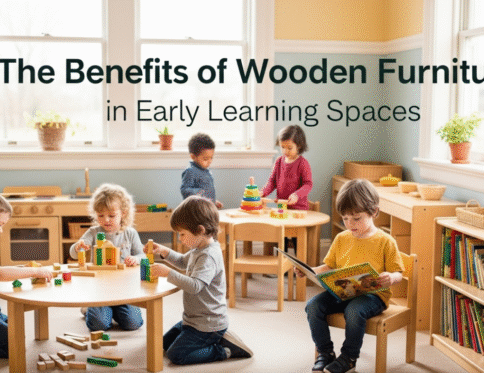
To support this child-centered approach, Montessori classrooms are equipped with carefully selected furniture and products. These materials are designed to:
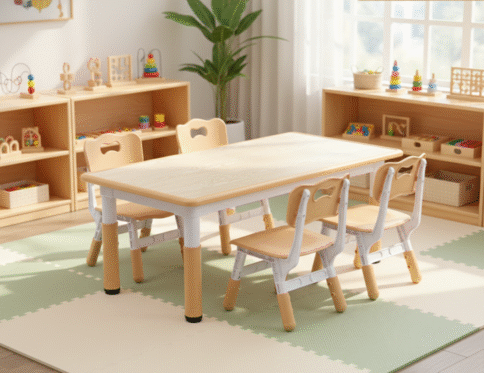
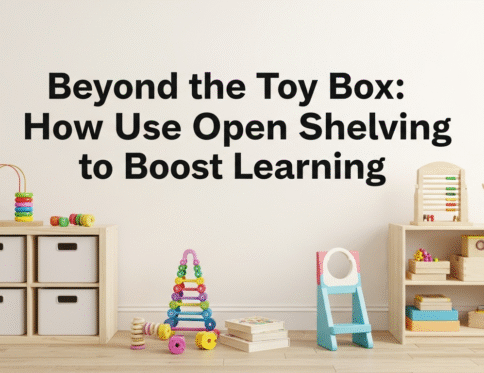
- Encourage Independence: Low shelves and child-sized furniture empower children to access materials independently.
- Facilitate Learning: Specialized learning materials, such as puzzles, blocks, and sensory toys, stimulate cognitive development and fine motor skills.
- Create a Serene Environment: Natural, calming colors and minimalist designs promote focus and concentration.
Incorporating Montessori Principles at Home
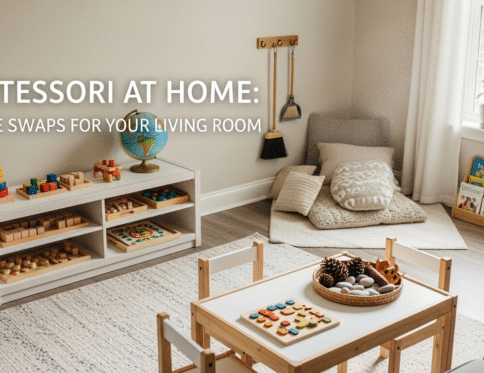
While Montessori schools provide an ideal learning environment, you can also incorporate Montessori principles into your home. Here are a few tips:
- Create a Child-Friendly Space: Designate a specific area for learning and play, ensuring it’s safe, organized, and inviting.
- Offer Practical Life Activities: Encourage children to participate in everyday tasks, such as setting the table, watering plants, or folding laundry.
- Provide Sensory Materials: Offer a variety of sensory experiences, such as playdough, water play, or nature walks.
- Read Aloud Daily: Share stories and books to spark imagination and foster a love of reading.
- Respect the Child’s Pace: Allow children to explore materials at their own pace, without rushing or pushing.
By embracing the Montessori philosophy, you can unlock your child’s full potential and nurture a lifelong love of learning.