

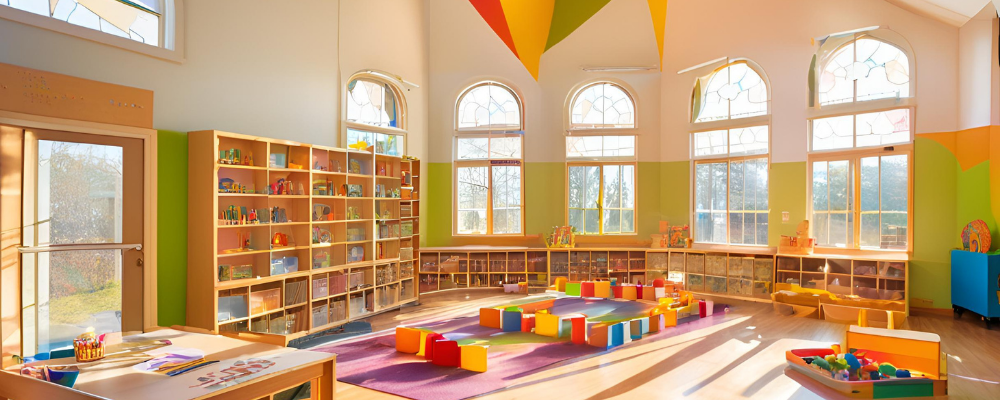

Every parent wants to support their child’s journey toward independence. One powerful way to achieve this is through thoughtfully designed Montessori furniture that allows children to navigate their environment confidently and safely. In this comprehensive guide, we’ll explore how Montessori-inspired furniture choices can create an environment that nurtures independence and supports early childhood development.
Understanding the Montessori Approach to Independence
The Montessori method, developed by Dr. Maria Montessori, emphasizes creating environments that enable children to do things for themselves. This philosophy recognizes that children have a natural drive toward independence and that the right environment can support this inherent motivation.
Key Elements of Montessori Furniture
Child-Sized Proportions
One of the fundamental aspects of Montessori furniture is its child-appropriate scale. When furniture matches a child’s size, they can:
- Access their belongings without adult assistance
- Develop gross motor skills naturally
- Build confidence through successful independent actions
- Feel a sense of ownership over their space
Low Open Shelving
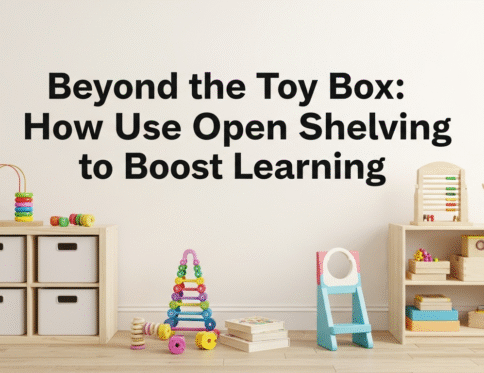
Open shelving at child height serves multiple purposes in a Montessori learning environment:
- Allows children to see and select materials independently
- Encourages organization and decision-making skills
- Promotes responsibility through easy cleanup
- Develops spatial awareness and order
Floor Beds
A signature element of Montessori bedroom ideas is the floor bed, which:
- Enables safe, independent access to sleeping and waking
- Supports development of gross motor skills
- Promotes spatial awareness
- Gives children control over their rest periods
Work and Play Surfaces
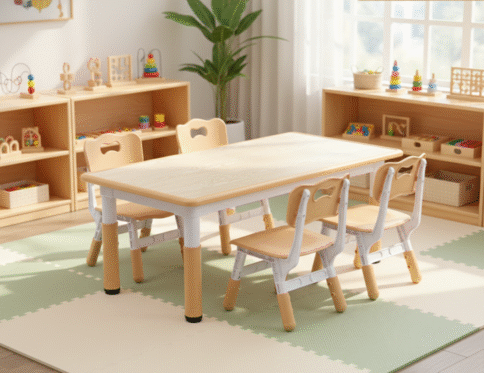
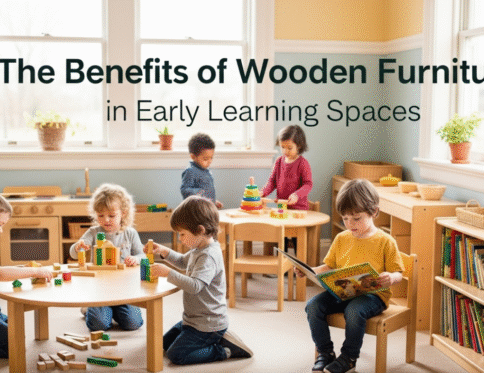
Child-height tables and chairs provide:
- Comfortable spaces for independent activities
- Proper ergonomic support for developing bodies
- Opportunities for concentration and focus
- Areas for collaborative play and learning
Creating an Enabling Environment
Organization and Accessibility
To maximize the benefits of Montessori furniture:
- Arrange furniture with clear paths for movement
- Group similar items together
- Maintain consistent locations for materials
- Ensure all frequently used items are within reach
Safety Considerations
While promoting independence, safety remains paramount:
- Secure furniture to walls when necessary
- Choose sturdy, well-built pieces
- Ensure rounded corners on furniture
- Maintain clear pathways free of obstacles
Benefits of Montessori Furniture
Physical Development
- Strengthens gross motor skills
- Develops coordination and balance
- Encourages proper posture
- Supports natural movement patterns
Cognitive Growth
- Builds decision-making abilities
- Enhances problem-solving skills
- Develops spatial awareness
- Promotes organizational thinking
Emotional Development
- Boosts self-confidence
- Builds self-esteem
- Develops sense of capability
- Promotes emotional security
Social Skills
- Encourages responsibility
- Develops respect for environment
- Promotes sharing and collaboration
- Builds community awareness
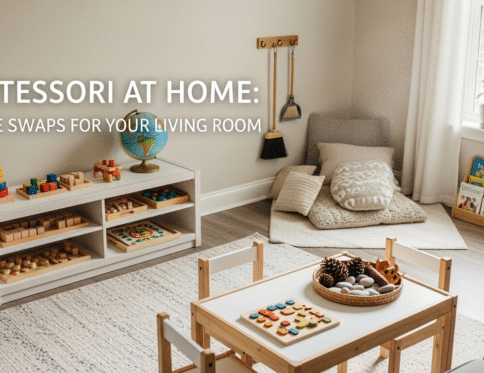
Implementing Montessori Furniture at Home
Starting Small
Begin with essential pieces:
- A low shelf for toys and books
- A child-sized table and chair
- A few storage containers at child height
- A floor bed (if appropriate for your child’s age)
Gradual Transition
- Introduce new pieces slowly
- Observe how your child interacts with each item
- Adjust placement based on use patterns
- Add complexity as your child develops
Supporting Long-Term Independence
Remember that Montessori furniture is just one component of supporting independence. Combine it with:
- Consistent routines
- Clear expectations
- Patient guidance
- Positive reinforcement
Conclusion
Montessori furniture plays a vital role in creating an environment that supports children’s natural drive toward independence. By thoughtfully selecting and arranging child-sized furniture, parents and educators can create spaces that empower children to develop essential life skills while building confidence and capability.
Disclaimer: The information provided in this article is for educational purposes only. While the principles discussed are based on established Montessori methodology, please consult with qualified Montessori educators or child development experts before making significant changes to your child’s environment. Every child is unique, and adaptations may be necessary based on individual needs and circumstances.