


As parents, we want to give our children the tools they need to navigate life successfully. We focus on academic milestones and physical health, but what about their emotional well-being? Developing a high EQ (Emotional Quotient) is one of the greatest gifts you can give your child. The great news is that one of the best tools for the job is already your child’s favorite activity: play. This guide will show you how to intentionally support your child’s emotional intelligence through play, turning everyday fun into foundational life skills.
Emotional intelligence for kids isn’t a complicated concept. It’s simply the ability to recognize, understand, and manage their own emotions, as well as recognize, understand, and influence the emotions of others. Think of it as the bedrock for empathy in children, effective communication, and building resilience. And the playground, the living room floor, and the toy box are the perfect training grounds.
Why Play is a Superpower for Emotional Growth
For children, play is serious business. It’s not just about having fun; it’s how they process the world, test out new ideas, and understand their place in it. When it comes to emotions, play-based learning offers a safe, low-stakes environment to explore big feelings.
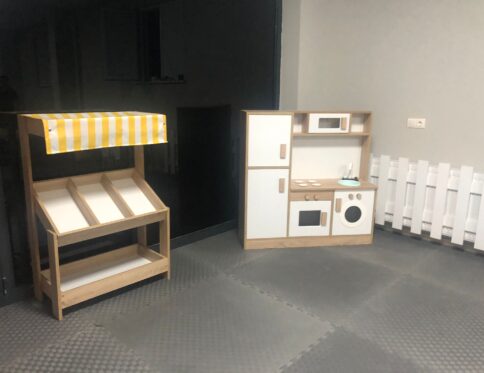
Think about it: in the world of pretend, a child can be a brave knight who is secretly a little scared of the dragon, or a caring doctor tending to a sad teddy bear. They get to rehearse complex social situations and emotional reactions without real-world consequences. This is the heart of social-emotional learning—learning by doing. Through these imaginative scenarios, children learn priceless lessons in emotional regulation and problem-solving.
Fun and Easy Ways to Build Emotional Intelligence Through Play
You don’t need fancy toys or complicated lesson plans. The most effective strategies are simple, intentional, and woven into the fun you’re already having. Here are some practical parenting tips to help you develop emotional intelligence in your child during playtime.
Turn Pretend Play into an Empathy Workout
Pretend play is a goldmine for emotional development. When your child is playing with dolls, action figures, or even just a set of blocks they’ve named, they are naturally exploring relationships and feelings.
- Narrate and Question: Gently guide the play by verbalizing emotions. You could say, “Wow, it looks like the baby doll is sad because she misses her mommy. What could we do to help her feel better?” This simple act helps your child identify emotions and fosters empathy in children.
- Role-Play Scenarios: Use toys to act out common social challenges. What happens when two action figures want the same toy car? How does the stuffed lion feel when he isn’t invited to the tea party? This helps your child practice sharing, negotiating, and seeing things from another’s perspective.
Name That Feeling: Games for Emotional Vocabulary
A child can’t manage an emotion they can’t name. Building a rich emotional vocabulary is a critical first step in emotional intelligence for kids.
- Emotion Charades: Write down or draw simple emotions (happy, sad, angry, surprised, scared) on pieces of paper. Take turns picking one and acting it out for the other to guess. This is a hilarious and effective way to learn the physical cues of different feelings.
- Feelings Check-in with Toys: Use a favorite stuffed animal to ask, “How is Teddy feeling today?” This allows your child to project and explore feelings in a safe, indirect way.
Use Cooperative Games for Social Skills
While a little friendly competition is fine, games that require teamwork are fantastic for social-emotional learning. These activities teach children how to communicate, compromise, and work towards a common goal.
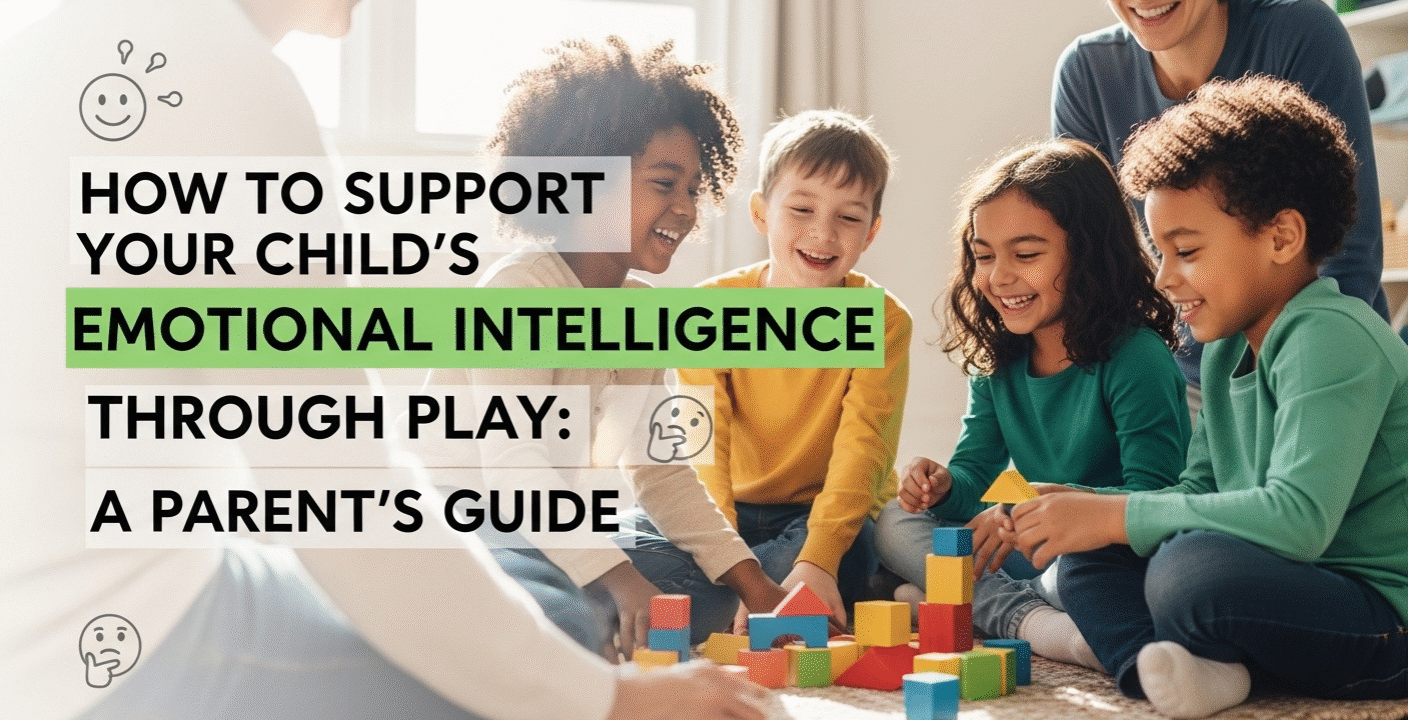
- Build Together: Whether it’s a giant LEGO tower, a complex puzzle, or a living room fort, collaborative building projects are perfect. They naturally create situations where kids need to share resources, communicate ideas (“Let’s put the big pillow here!”), and handle frustration when the tower topples over. This is building resilience in action!
- Board Games with a Twist: Choose board games that are cooperative rather than competitive, where all players work together to beat the game itself.
Your Role as the “Feelings Coach”
Your most important job in this process is to be a supportive guide, not a director. The goal is to facilitate their emotional journey, and one of the best ways to do this is by modeling healthy emotional expression yourself.
When you’re playing together, validate their feelings. If they get frustrated, say, “It’s so frustrating when the blocks won’t stack right. I get frustrated too sometimes.” This shows them that all feelings are okay and that they have a parent who understands. By creating this safe space, you reinforce the idea that emotional intelligence through play is a natural and positive experience.
Ultimately, by being present and intentional during playtime, you are laying a powerful foundation for your child’s future happiness and success. You’re teaching them that emotions are not scary, that they are capable of handling challenges, and that connecting with others is one of life’s greatest joys.
Disclaimer: This article is for informational purposes only. It is not intended to be a substitute for professional medical advice, diagnosis, or treatment. Always seek the advice of your physician or other qualified health provider with any questions you may have regarding a medical condition.