


Arts and crafts are more than just fun activities—they’re powerful tools for child development. This guide explores creative projects that nurture imagination, enhance motor skills, and boost self-confidence in children.
The Developmental Power of Arts and Crafts
Key Benefits
- Improves fine motor skills
- Enhances problem-solving abilities
- Builds emotional expression
- Increases self-esteem
- Develops spatial awareness
- Encourages creative thinking
Age-Specific Arts and Crafts Activities
Toddlers (1-3 Years)
Skill-Building Projects:
- Finger painting
- Play dough modeling
- Simple collage making
- Sticker art
- Large crayon drawing
Preschoolers (3-5 Years)
Creative Exploration:
- Paper crafts
- Basic origami
- Puppet making
- Watercolor painting
- Nature collages
Early Elementary (6-8 Years)
Advanced Creativity:
- Weaving
- Clay sculpture
- Detailed drawing
- String art
- Advanced paper crafting
10 Transformative Arts and Crafts Projects
1. Personal Vision Boards
Skills Developed:
- Goal setting
- Creative visualization
- Artistic expression
- Confidence building
2. Nature Texture Exploration
Materials Needed:
- Leaves
- Bark
- Stones
- Paper
- Crayons
Learning Objectives:
- Sensory development
- Pattern recognition
- Environmental awareness
3. Recycled Material Art
Environmental Benefits:
- Sustainability education
- Creative reuse
- Problem-solving skills
4. Storytelling Through Art
Creativity Techniques:
- Illustrate personal stories
- Create character designs
- Develop narrative skills
5. Cultural Craft Workshops
Exploration Areas:
- Traditional art techniques
- Global cultural understanding
- Artistic diversity appreciation
Supporting Creativity at Home
Parental Engagement Strategies
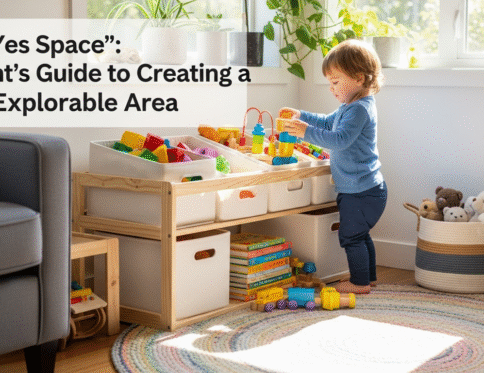
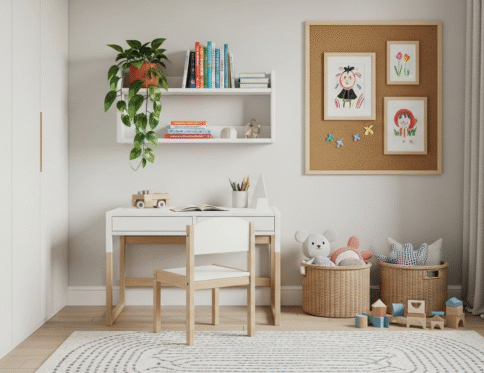
- Create dedicated art spaces
- Provide diverse materials
- Avoid over-correction
- Celebrate process over perfection
- Encourage experimentation
Overcoming Creative Blocks
Motivation Techniques
- Introduce open-ended projects
- Use inspirational references
- Break complex tasks into steps
- Celebrate small achievements
Technology and Creativity
Balanced Approach
- Limit screen time
- Use digital tools sparingly
- Prioritize hands-on experiences
- Select educational creative apps
Safety and Preparation
Essential Considerations
- Age-appropriate materials
- Supervised activities
- Non-toxic supplies
- Clean, organized workspace
Conclusion
Arts and crafts are transformative experiences that go beyond simple entertainment. They’re essential tools for developing well-rounded, confident children with strong creative and cognitive skills.
Additional Resources
- Child art development books
- Local art workshops
- Online creative learning platforms
- Art supply recommendations
Note: Always supervise children during creative activities and choose age-appropriate materials.