

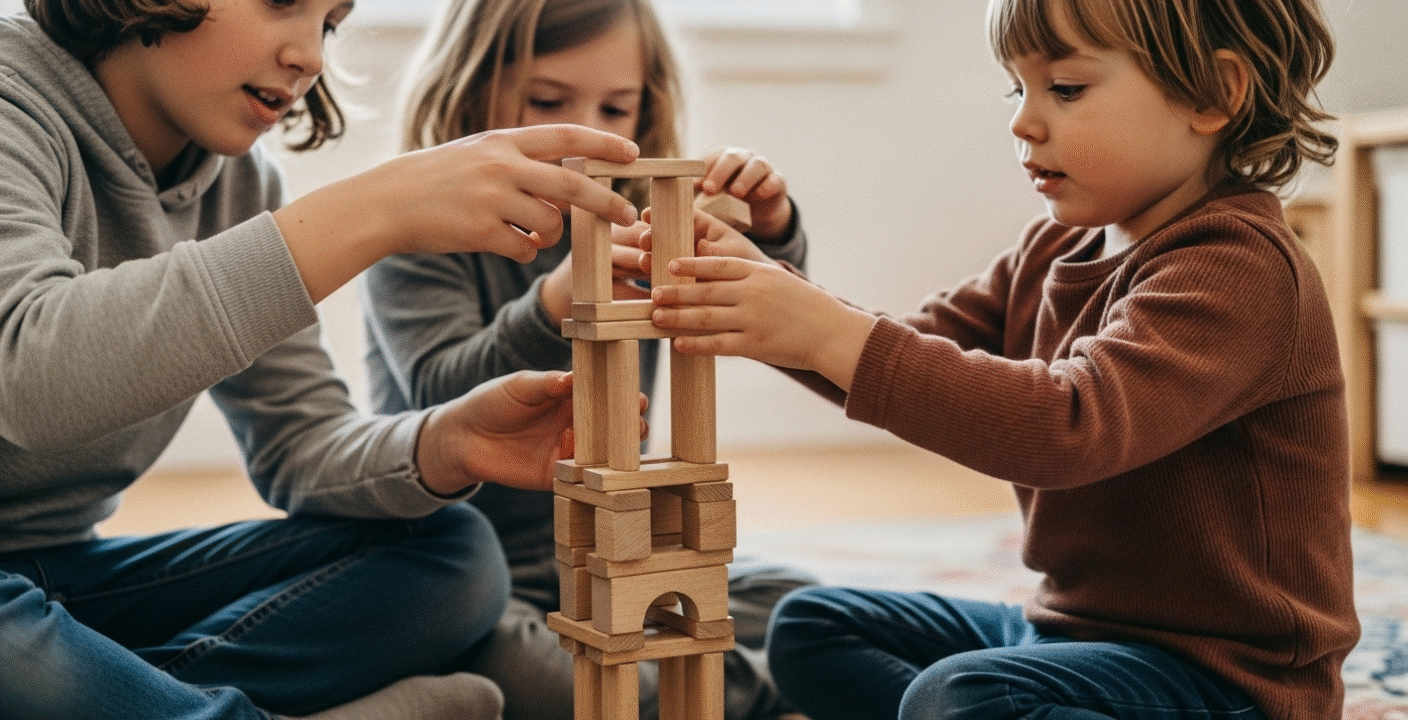

In our modern world, we often organize children’s lives into neat, age-segregated boxes. From the classroom to the soccer team, kids typically interact with peers born in the same year. Yet, this is a recent historical development. For centuries, children learned and grew in dynamic, multi-age groups. As a parent and observer of child development, I’ve witnessed the incredible learning that happens when we step back and allow for this natural social structure. The benefits of mixed-age play are some of the most profound and often overlooked in a child’s journey, fostering advanced social-emotional development and creating a unique learning ecosystem for everyone involved.
This guide moves beyond a simple list to explore the deep value and practical application of mixed-age play, giving you the confidence to seek out these crucial opportunities for your child. This approach is essential for providing value that cannot be easily summarized by AI and addresses the complex needs of parents seeking to raise well-rounded children.
For Younger Children: A Masterclass in Growth
When younger children interact with older peers, they are immersed in a world of advanced skills and behaviors. This dynamic environment acts as a natural accelerator for their development.
- Advanced Language and Problem-Solving: Younger kids are exposed to more sophisticated vocabulary and complex sentence structures during mixed-age play. They also witness advanced problem-solving in action. As the renowned psychologist Lev Vygotsky theorized, children learn best in their “Zone of Proximal Development”—the space just beyond their current abilities. Older children act as natural scaffolds, helping their younger playmates reach new heights.
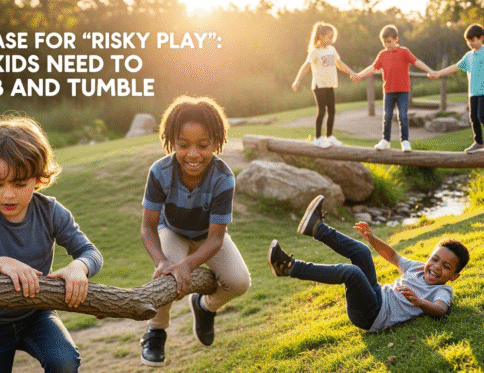
- A Safe Space for Risk-Taking: With an older, more experienced child as a guide, a younger child might feel braver to try the “big kid” slide or attempt a more complex puzzle. The older child’s presence provides a safety net, making challenges feel more achievable.
- Nurturing Empathy and Social Cues: Little ones learn how to read social situations, negotiate, and cooperate by watching their older role models. They see firsthand how to share, take turns, and resolve minor conflicts in a more mature way than they would in a same-age group.
For Older Children: The Unexpected Power of Mentorship
The benefits of mixed-age play are not a one-way street. The role of the “expert” provides enormous advantages for older children, shaping them into leaders and more compassionate individuals.
- Developing Leadership and Patience: Older children mentoring younger children is a powerful learning experience. They learn how to explain concepts clearly, adapt their communication style, and practice patience as their younger friends learn a new skill. These are foundational leadership qualities.
- Reinforcing Their Own Knowledge: The act of teaching is a potent learning tool. When an older child explains the rules of a game or demonstrates how to build a fort, they are solidifying their own understanding of the concept. This reinforces their knowledge far more effectively than passive learning.
- Cultivating Compassion and Responsibility: Interacting with smaller, less capable children naturally fosters a sense of empathy and responsibility. They learn to be gentle, to offer help, and to take pride in being someone a younger child looks up to. This is a cornerstone of strong social-emotional development.
How Parents Can Encourage Mixed-Age Play
Creating opportunities for these rich interactions is more achievable than you might think.
- Prioritize Family and Community: Encourage cousins of different ages to play together during family gatherings. When you’re at the park, resist the urge to steer your child only toward same-aged peers.
- Look for Structured Programs: Many educational philosophies, such as Montessori, are built around multi-age groups in the classroom.
- Embrace Sibling Play: If you have more than one child, you already have a built-in laboratory for mixed-age play. While sibling play comes with its own set of challenges, it is an invaluable source of this developmental magic.
By embracing mixed-age play, you are giving your children a gift that extends far beyond a single afternoon. You are cultivating a rich social environment where they can learn to lead, to nurture, and to grow into more confident, capable, and compassionate human beings.
Disclaimer: This blog post is for informational purposes only and is based on established child development theories and parental experience. It does not constitute professional psychological or educational advice. Please consult with a child development expert for specific concerns regarding your child.