


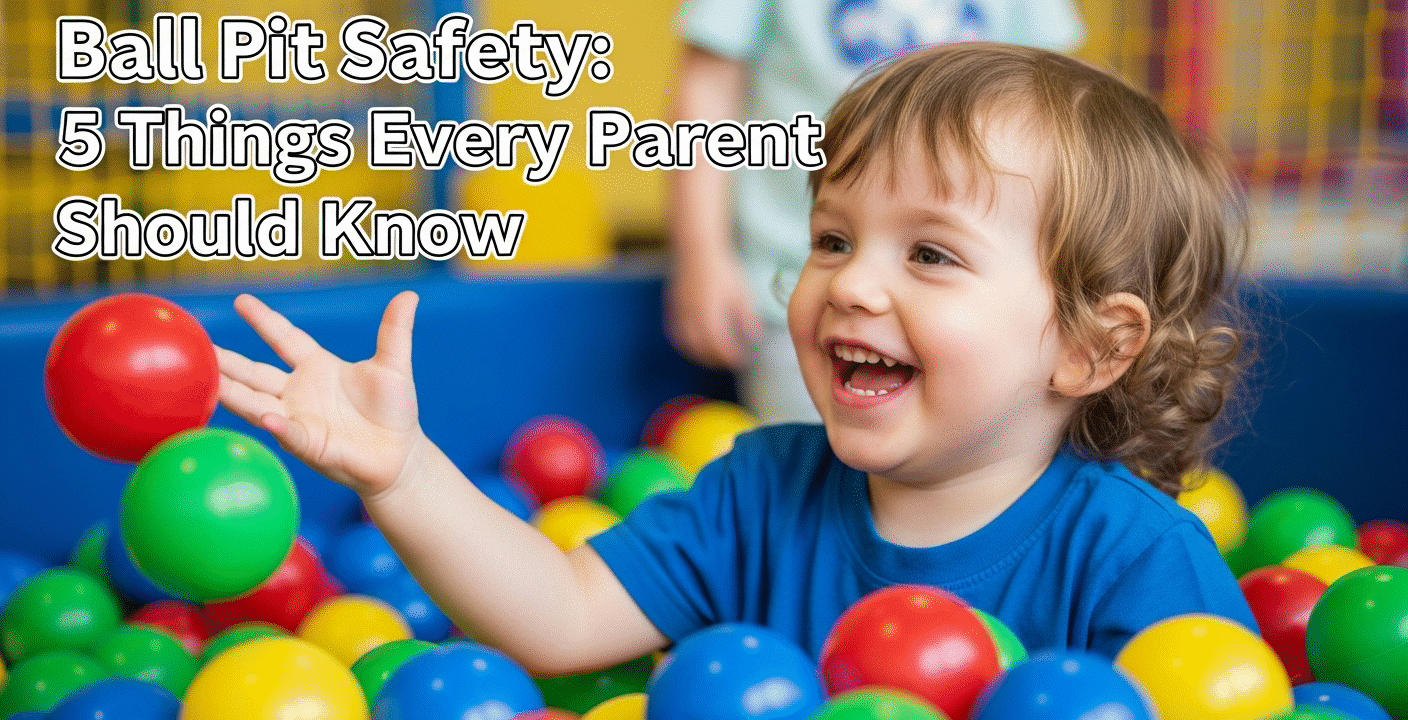

Ball pits are a staple of childhood fun. Whether at a public soft play area or in your own living room, the allure of diving into a sea of colourful plastic balls is almost irresistible for toddlers and young children.
However, for parents, that colourful pit can often look like a soup of germs and hidden risks. The good news is that ball pits can be a fantastic source of sensory play and fun, as long as you prioritize ball pit safety.
To ensure playtime stays fun and injury-free, here are five critical things every parent should know about ball pit safety.
1. Prioritize Ball Pit Hygiene
Let’s address the biggest concern first: germs. Ball pits, especially public ones, can be notorious hotspots for bacteria and viruses.
- Public Pits: Before letting your child in, ask the staff about their cleaning schedule. A reputable facility should have a regular, documented process for sanitizing the pit. If it looks or smells dirty, trust your gut and skip it.
- At-Home Pits: If you have an at-home ball pit, you control the cleanliness. Create a regular cleaning routine. This means periodically emptying the pit to wipe down the container and washing the balls. A simple way to clean ball pit balls is to place them in a mesh laundry bag or pillowcase and run them through a gentle wash cycle (or wash them in the bathtub with a mild disinfectant).
Good ball pit hygiene is the first line of defense against unwanted illnesses.
2. Active Supervision is a Must
It’s tempting to think of a kids ball pit as a self-contained “safe zone” where you can take a break. However, active supervision is crucial.
Younger children, especially, can “sink” and become overwhelmed or frightened if they can’t easily get out. In a public pit, rougher play from older children can inadvertently cause injury to a smaller child hidden beneath the balls. This is a key part of toddler safety—always keep your eyes on your child and stay close enough to intervene if needed.
3. Inspect for Choking Hazards and Damage
What’s lurking beneath the surface? Before letting your child jump in, do a quick visual scan of the pit.
Look for items that don’t belong, such as food, wrappers, small toys, or even lost socks. More importantly, inspect the balls themselves. Look for broken balls or plastic shards. A cracked ball can have sharp edges that can easily cut a child’s skin. This simple check is a vital step in maintaining a safe ball pit and preventing choking hazards or injuries.
4. Mind the Mix and the Numbers
A safe ball pit experience can quickly turn sour if it’s overcrowded. Too many children in a confined space increases the risk of bumping, trampling, and general chaos.
Furthermore, pay attention to the mix of children. If your two-year-old is in a pit with several rowdy eight-year-olds, the risk of injury increases significantly. Look for facilities that have separate play areas for different age groups, or choose to use the pit during less crowded “off-peak” hours.
5. Establish Clear Play Rules
Proactive ball pit safety involves setting clear expectations for play. These rules aren’t meant to stifle fun but to prevent common injuries.
Establish a few simple rules with your child before they get in:
- No diving or jumping in from a height.
- No throwing balls out of the pit.
- No food, drinks, or shoes inside the pit.
- Be gentle with other children.
These simple rules help maintain a safe ball pit environment for everyone involved and reinforce good play habits.
A Fun and Safe Experience
A kids ball pit doesn’t have to be a source of parental anxiety. By being mindful of hygiene, practicing active supervision, checking for hazards, avoiding overcrowding, and setting clear rules, you can ensure your child’s playtime is both exciting and safe.
Disclaimer: This article is for informational purposes only. It is not intended to be a substitute for professional medical advice, diagnosis, or treatment. Always seek the advice of a qualified health provider with any questions you may have regarding a medical condition or safety concern.