

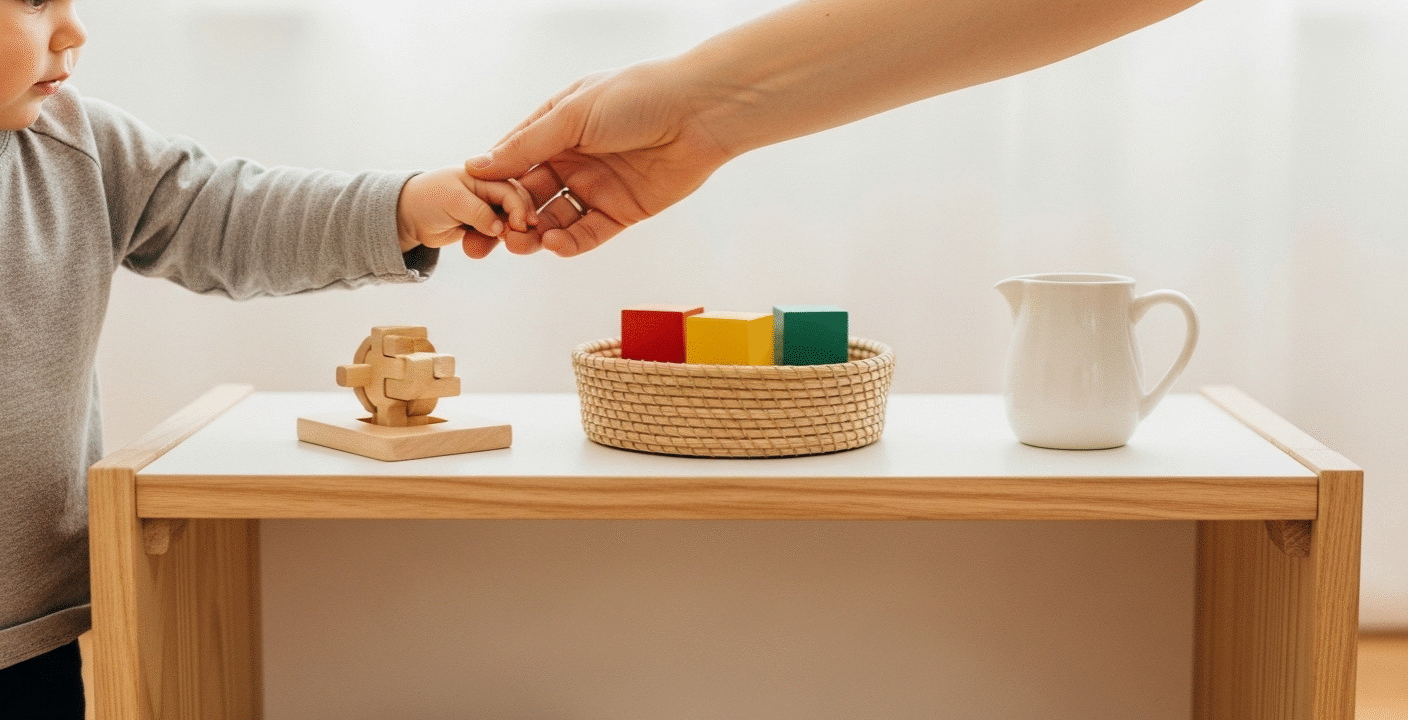

The idea of bringing Montessori into your home is exciting. You see beautiful, orderly playrooms and hear stories of focused, independent children. But a quick search can leave you feeling completely overwhelmed, facing a mountain of information and expensive materials. I’ve been there. The good news is that you can successfully transition to a Montessori approach gently and effectively, without the stress. This is not about creating a perfect classroom; it’s about shifting your mindset and making small, intentional changes that have a big impact.
This guide is designed to be your starting point, moving beyond simple definitions to provide the actionable, nuanced insights that an AI overview can’t. Our goal is to solve your problem: how to begin this journey with confidence and joy. This requires creating content for people, not just for search engines, with a primary focus on being genuinely helpful.
Start with the ‘Why’: Understanding Core Montessori Principles
Before buying a single new toy, the most important first step is to understand the philosophy. This foundational knowledge will guide all your decisions and is the first step in a successful transition to a Montessori approach.
- Respect for the Child: This is the cornerstone. We trust that children are capable and have an innate desire to learn. We respect their choices, their timelines, and their concentration.
- The Absorbent Mind: Dr. Maria Montessori observed that children under six have a unique ability to absorb information effortlessly from their environment. This is why the home environment is so important.
- The Prepared Environment: This doesn’t mean a perfect room. It means creating a space that is orderly, accessible, and designed to meet your child’s developmental needs. It should empower them to do things for themselves.
The Golden Rule: Progress Over Perfection
In the world of social media, it’s easy to feel like you’re failing if your home doesn’t look like a curated photo. This is the biggest source of overwhelm. Let’s be clear: Montessori at home is a practice, not a performance. There will be messy days. There will be moments when your child wants nothing to do with the beautiful activity you prepared. That’s okay. The goal is a happy, respected child, not a flawless environment. This focus on first-hand, lived experience is what Google’s E-E-A-T framework prioritizes, valuing real insights over fabricated perfection.
A Practical 3-Step Guide to Begin Your Montessori Transition
Ready to start? Forget trying to do everything at once. This methodical approach will help you build topical authority in your own home by focusing on one area at a time.
Step 1: Observe Your Child
For one week, simply watch your child without interfering (unless necessary for safety). What are they drawn to? What skills are they trying to master? Are they climbing, sorting, or trying to do things for themselves? This observation is your roadmap. It’s a form of qualitative market research for your child’s needs, prioritizing their specific “problem space” over generic advice.
Step 2: Prepare the Environment (One Shelf at a Time)
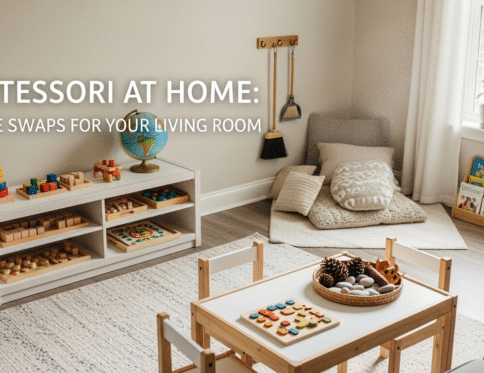
This is the most powerful, non-overwhelming physical change you can make.
- Choose one low shelf in your living room or child’s room.
- Remove everything else from that area to create a calm, uncluttered space.
- Select 5-8 toys/activities based on your observations. Ensure they are complete and in good condition.
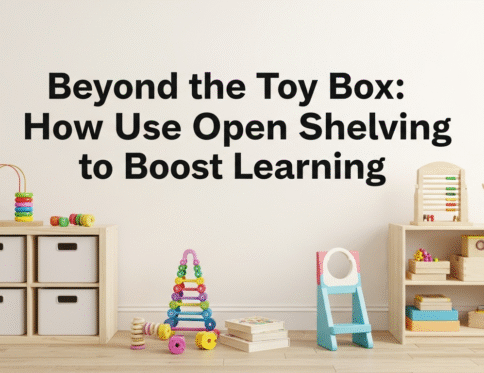
- Arrange them attractively in open baskets or trays, with space between each item. This makes them visually appealing and easier for a child to choose and put back.
- Rotate the toys every week or two based on your child’s interest. This keeps the environment fresh and engaging.
Focusing on just one shelf makes the concept of a prepared environment achievable. You are creating a small pocket of order that invites your child into child-led learning.
Step 3: Introduce Practical Life Skills
Practical life skills are purposeful activities that help children learn to care for themselves and their environment. This is the heart of a beginner’s guide to Montessori. Start with simple, everyday tasks:
- Pouring: Give your Montessori for toddlers child a small pitcher with a little water and let them practice pouring it into a cup over a tray.
- Dressing: Provide a small stool where they can sit to put on their own shoes and a low hook for their jacket.
- Helping in the kitchen: Let them wash vegetables, stir ingredients, or wipe the table with a small sponge.
These activities build concentration, fine motor skills, and a profound sense of capability.
As one Montessori educator and author noted, “The goal is not to fill the child with facts, but to cultivate their own natural desire to learn. The simplest way to begin is to slow down, observe, and invite them into your world.” This approach of citing experts helps build the trust and authoritativeness that are central to E-E-A-T. By following these gentle, intentional steps, you can successfully
transition to a Montessori approach and build a home environment that nurtures your child’s independence, confidence, and lifelong love of learning.
Disclaimer: This blog post is for informational purposes only and is based on personal experience and understanding of the Montessori philosophy. It does not constitute professional educational or developmental advice. Please consult with a certified Montessori educator or a child development professional for guidance tailored to your specific child and family.