

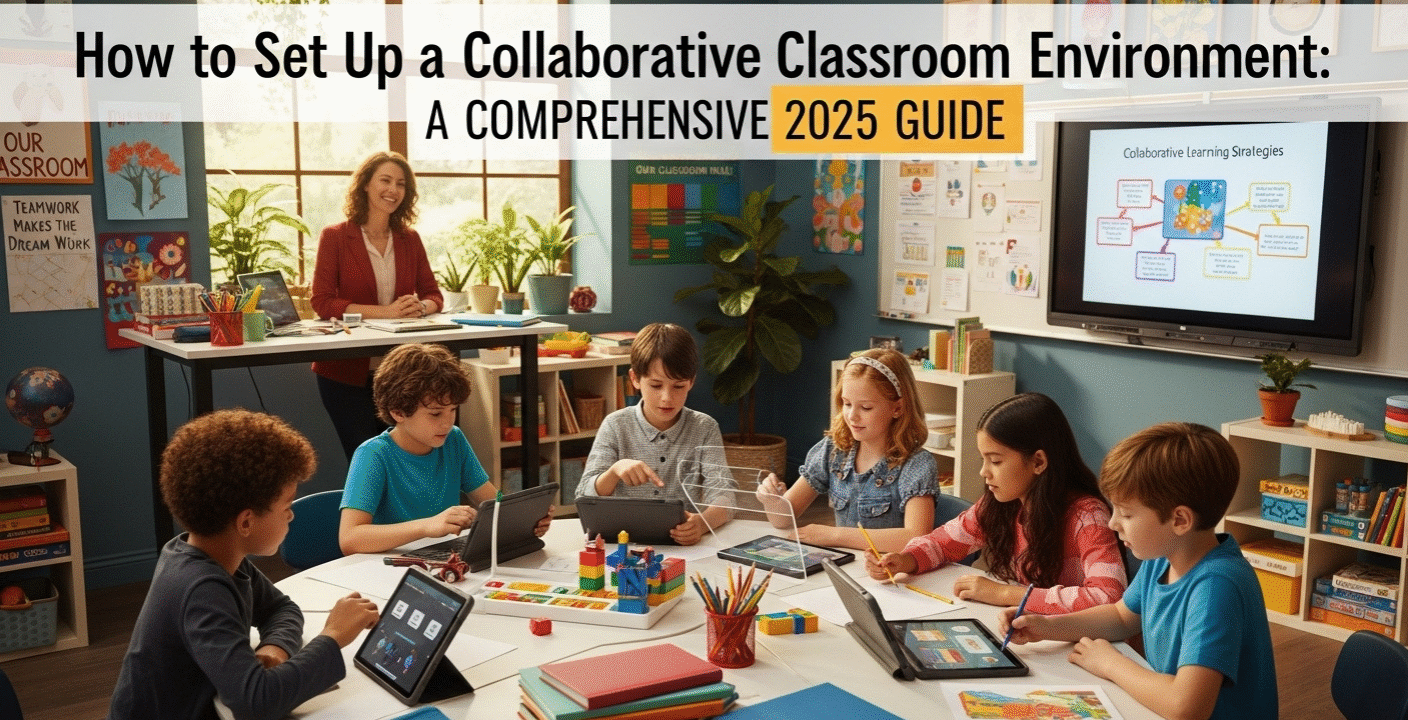

In today’s dynamic educational landscape, the traditional, teacher-centric classroom is evolving. The future of learning lies in creating dynamic, interactive spaces that foster teamwork, critical thinking, and shared discovery. This guide provides an in-depth, actionable framework on how to set up a collaborative classroom environment, moving beyond theory to offer practical strategies that drive student engagement and prepare them for a connected world. We will explore everything from physical classroom design to the nuances of nurturing a truly collaborative spirit.
The shift towards collaborative learning isn’t just a trend; it’s a pedagogical necessity. A well-designed collaborative classroom prepares students for the realities of the modern workplace, where teamwork and communication are paramount. By actively participating in their own learning, students develop deeper understanding, retain information longer, and build essential social-emotional skills.
The Foundational Pillars: Creating a Collaborative Culture
Before rearranging desks or introducing new technology, the first step is to build a culture of trust and mutual respect. A collaborative environment is rooted in the belief that every student’s voice has value.
- Establish Clear Group Work Guidelines: From day one, work with students to create shared expectations for teamwork. How do we listen to others? How do we respectfully disagree? Having these conversations early prevents future conflicts and ensures that group work is both productive and positive. These co-created group work guidelines empower students to take ownership of their interactions.
- Model Collaboration: As the educator, you are the primary role model. Demonstrate effective collaboration by partnering with other teachers, inviting guest speakers, or explicitly showing how you work through problems with your students. Your actions will speak louder than any instructions you give.
- Celebrate Collective Success: Shift the focus from individual achievement to group accomplishments. When a team successfully completes a project, praise their process—their communication, their problem-solving, their support for one another. This reinforces the value of working together and is central to fostering teamwork in students.
Designing the Physical Space for Collaboration
The physical layout of a classroom sends a powerful message about its purpose. Rows of desks facing forward signal passive listening; a flexible, dynamic space invites active participation.
- Implement Flexible Seating Arrangements: Ditch the rigid rows and opt for seating that can be easily reconfigured. Beanbags, standing desks, and tables of various shapes and sizes allow students to find a setup that works best for them and their group. These flexible seating arrangements empower students to take control of their learning environment, making collaboration feel natural rather than forced.
- Create Dedicated Collaboration Zones: Designate specific areas of the classroom for different types of work. A quiet corner with comfortable seating can be for brainstorming, a large table can house a station for project-based learning, and a tech-enabled area can support digital collaboration.
- Ensure Resources are Accessible: Store materials like markers, chart paper, and manipulatives in a central, easily accessible location. This encourages students to take initiative and gather the tools they need for their group tasks without having to constantly ask for permission.
Actionable Collaborative Learning Strategies to Implement
With the right culture and physical space in place, the next step is to integrate proven collaborative strategies into your lessons.
- Think-Pair-Share: This classic strategy is a simple yet powerful way to encourage participation. Pose a question, give students a moment to think individually, have them discuss their thoughts with a partner, and finally, open the floor for them to share with the entire class.
- Jigsaw Method: This technique positions students as “experts.” Divide a complex topic into several parts. Each student in a “home group” is assigned one part to learn. They then meet with students from other groups who have the same part (their “expert group”) to discuss it in depth. Finally, they return to their home group to teach their peers what they learned.
- Encourage Student-Led Discussions: Move away from teacher-led Q&As and facilitate discussions where students ask the questions and guide the conversation. Fishbowl discussions or Socratic seminars are excellent formats for promoting higher-order thinking and active listening, leading to meaningful student-led discussions.
Integrating Classroom Collaboration Tools
Technology, when used thoughtfully, can significantly enhance the collaborative experience.
- Digital Whiteboards: Platforms like Google Jamboard or Miro allow students to brainstorm, organize ideas, and contribute to a shared space in real-time, whether they are in the classroom or learning remotely.
- Shared Documents and Presentations: Tools like Google Docs and Slides are essential for group projects. They allow multiple students to work on the same document simultaneously, track changes, and leave comments, fostering a seamless workflow.
- Project Management Apps: For older students, introducing simple project management tools like Trello or Asana can help them organize tasks, assign responsibilities, and manage deadlines for complex group projects, mirroring real-world professional practices.
Understanding how to set up a collaborative classroom environment is about more than just group work; it’s about creating a student-centered ecosystem where learning is a shared adventure. The benefits of a collaborative classroom are immense, leading to deeper academic understanding and the development of crucial life skills. By thoughtfully designing the culture, space, and activities, you can empower your students to become active, engaged, and successful collaborators.
Disclaimer: This article is for informational purposes only.