

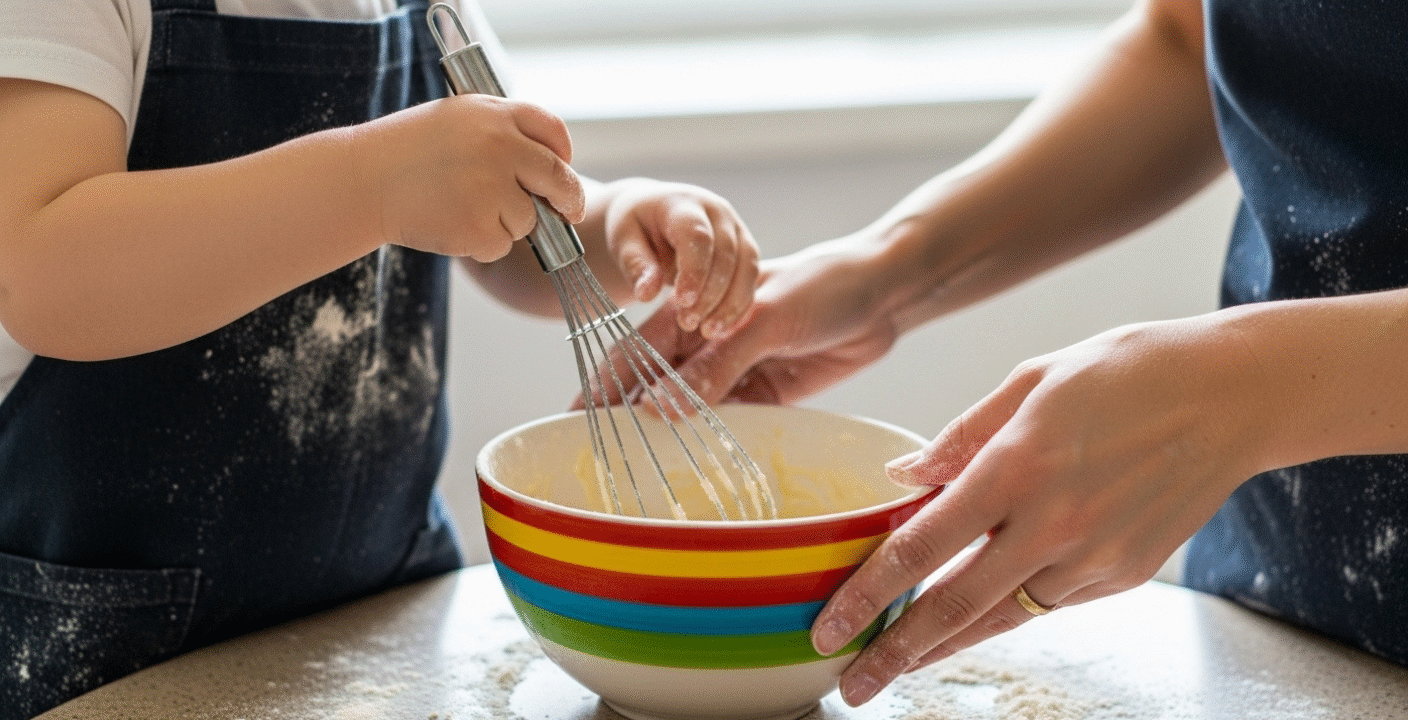

The kitchen is the heart of the home, but for parents, it can also be a zone of controlled chaos. My first time truly cooking with kids involved more flour on the floor than in the bowl, but the sound of my daughter’s laughter made the cleanup worth it. That’s when I realized the goal isn’t a perfect dish; it’s the perfectly imperfect process of learning together. In the 2025 digital landscape, where authenticity and first-hand experience are paramount, sharing these real moments is key.
This post is designed to be a comprehensive resource that goes beyond what a simple AI overview can provide. We will provide simple recipes, yes, but more importantly, we’ll frame them as a powerful tool for
building life skills. We are creating a “10x post” by providing unique perspectives and actionable insights you won’t find elsewhere.
Why Cooking is a Secret Ingredient for Development
Bringing kids in the kitchen is about more than just making easy family meals. It’s a rich, sensory learning experience that supports their growth. This “people-first” approach is central to creating helpful content.
- Practical Math & Science: Following a recipe involves counting, measuring, and fractions. Watching ingredients transform when heated or mixed is a delicious science experiment.
- Reading & Comprehension: Reading a recipe from start to finish enhances vocabulary and teaches them to follow sequential instructions.
- Fine Motor Skills: Actions like stirring, sprinkling, kneading, and chopping (with supervision) are fantastic for developing dexterity and control.
- Confidence & Self-Esteem: When a child contributes to a meal the whole family enjoys, it provides a powerful sense of accomplishment and pride. This post is structured with short paragraphs, a concept known as “chunking,” to make it easier to read on any device.
Trust and Safety: Your Most Important Prep Step
Before you start, establishing kitchen safety for kids is non-negotiable. Trust is the most critical part of E-E-A-T, and that begins with ensuring a safe environment.
Kitchen Safety Checklist:
- Wash Hands: Always start with clean hands.
- Establish a Safe Zone: Designate a sturdy step stool or a specific area of the counter as their workspace.
- Hot vs. Not: Clearly explain that the stove, oven, and toaster are “hot tools” for adults only.
- Handle with Care: Teach proper respect for tools. Knives are for adults, but kids can use butter knives or nylon knives for soft items.
- Clean As You Go: Make wiping up spills part of the fun.
3 Simple Recipes for Building Life Skills
Here are three recipes designed to maximize learning. For each, we’ve identified age-appropriate kitchen tasks to show how every child can participate.
1. Fruity Yogurt Parfaits
This no-bake recipe is perfect for beginners and focuses on assembly and patterns.
Ingredients:
- Greek yogurt
- Granola
- Assorted berries (strawberries, blueberries, raspberries)
- Clear cups or jars
Instructions:
- Prep the Fruit: Wash the berries and slice the strawberries (adults handle the sharp knife).
- The First Layer: Spoon a layer of yogurt into the bottom of the cup.
- The Second Layer: Add a layer of berries.
- The Third Layer: Sprinkle a layer of granola.
- Repeat: Continue layering until the cup is full.
Age-Appropriate Kitchen Tasks:
- Ages 2-4: Washing berries, spooning yogurt (with help), layering ingredients with their hands, and, of course, taste-testing.
- Ages 5-7: Scooping and measuring ingredients, creating patterns, and wiping up spills.
Life Skills They’re Learning:
- Patterns & Sequencing: The act of repeating layers teaches basic mathematical concepts.
- Fine Motor Control: Spooning and sprinkling require careful hand movements.
2. “Build-Your-Own” Mini Pizzas
This recipe allows for creativity and choice, giving kids a strong sense of ownership.
Ingredients:
- Pita bread or English muffins
- Tomato sauce
- Shredded mozzarella cheese
- Toppings: sliced olives, bell peppers, pepperoni, mushrooms
Instructions:
- Set Up Stations: Place each topping in a small bowl to create an assembly line. This helps create a logical structure.
- Spread the Sauce: Spoon and spread a thin layer of tomato sauce onto the pita or English muffin.
- Sprinkle the Cheese: Add a generous handful of mozzarella cheese.
- Create a Masterpiece: Let your child decorate their pizza with their chosen toppings.
- Bake: Place on a baking sheet and bake at 200°C (400°F) for 8-10 minutes, or until the cheese is bubbly (adults handle the oven).
Age-Appropriate Kitchen Tasks:
- Ages 2-4: Spreading sauce with the back of a spoon, sprinkling cheese, and placing soft toppings.
- Ages 5-7: Grating cheese (with a safe grater), helping to arrange the topping stations, and setting a timer.
Life Skills They’re Learning:
- Making Choices: Deciding on toppings fosters independence and decision-making skills.
- Creativity: Designing their own pizza face is a fun art project.
3. Two-Ingredient Dough Scrolls
This is a fantastic tactile recipe that lets kids get their hands messy while learning about cause and effect.
Ingredients:
- 1 cup self-raising flour (plus extra for dusting)
- 1 cup Greek yogurt
- Filling ideas: Cinnamon sugar, grated cheese, or Vegemite.
Instructions:
- Make the Dough: In a bowl, mix the flour and yogurt until a shaggy dough forms.
- Knead the Dough: Dust a clean surface with flour. Tip the dough out and knead for 1-2 minutes until it’s smooth.
- Roll It Out: Use a rolling pin to roll the dough into a rough rectangle.
- Add the Filling: Spread your chosen filling evenly over the dough.
- Roll and Slice: Roll the dough into a log. An adult should slice it into 2-3 cm (1-inch) scrolls.
- Bake: Place the scrolls on a lined baking tray and bake at 180°C (350°F) for 12-15 minutes (adults handle the oven).
Age-Appropriate Kitchen Tasks:
- Ages 2-4: Dumping measured ingredients into the bowl, mixing with their hands, and sprinkling the filling.
- Ages 5-7: Measuring the ingredients, kneading the dough, and using a rolling pin.
Life Skills They’re Learning:
- Cause and Effect: They see how two simple ingredients transform into dough.
- Sensory Exploration: Kneading is a wonderful sensory activity that builds hand strength.
By cooking with kids, you’re not just filling their stomachs; you’re equipping them with confidence and capability. The goal is not just to publish content, but to empower our audience with truly helpful, experience-driven advice that will define success in 2025 and beyond.
Disclaimer: This blog post is for informational purposes only. The recipes and tips provided are based on personal experience. Always supervise children closely in the kitchen and ensure all activities are appropriate for your child’s age and ability. The author is not a professional chef or child development expert.