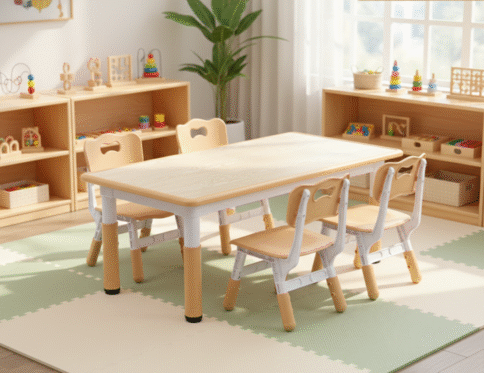




If your mornings feel like a frantic rush of finding shoes, negotiating outfits, and rushing out the door, you are not alone. So many of us start the day feeling stressed and reactive. But what if your morning could be a source of calm connection and joyful independence? By implementing a Montessori morning routine, you can transform chaos into a peaceful, predictable flow that empowers your child and sets a positive tone for the entire day.
This guide is designed to be a comprehensive resource that goes beyond a simple list of tasks. We will explore the philosophy behind the practice to help you create a
calm morning routine rooted in respect and developmental understanding. As a parent who has embraced
Montessori at home, I’ve seen firsthand how these principles can foster incredible confidence and reduce daily friction, and this post is infused with those first-hand, lived insights that are crucial for creating truly helpful content.
The “Why”: Core Montessori Principles for a Peaceful Morning
Understanding the philosophy is key to successfully implementing the routine. A Montessori morning routine is built on a foundation of respect for the child’s natural desire to learn and be independent.
- The Prepared Environment: This is the cornerstone. It means arranging your home so that your child can do things for themselves. A prepared environment reduces frustration and eliminates the constant need for you to intervene.
- Fostering Independence: The goal is to empower your child with the skills they need to care for themselves and their surroundings. Every task they master is a step toward building self-esteem and resilience. This focus on fostering independence is a gift that lasts a lifetime.
**Child-Led Learning:** Instead of a top-down, parent-directed schedule, a Montessori approach follows the child's pace and interests. The routine provides a predictable structure, but within that structure, the child makes their own choices. This sense of autonomy is a powerful motivator.
The “How”: Building Your Child’s Montessori Morning Routine
Here are the actionable steps for creating a routine that sticks. Remember to introduce these changes slowly and with patience.
1. Prepare the Environment (The Night Before)
A calm morning begins the night before. This is perhaps the most critical step in setting your child up for success.
- The Dressing Station: Lay out two weather-appropriate outfits and let your child choose one for the next day. Place it in a low drawer or a special spot they can access easily.
- The Self-Care Station: Arrange a low stool in the bathroom with a toothbrush, toothpaste, and hairbrush within their reach.
- The Breakfast Station: Place a child-sized pitcher with a small amount of milk, a bowl, a spoon, and a box of cereal on a low shelf or tray in the kitchen.
2. The Wake-Up: Gentle and Self-Directed
Harsh lights and loud alarms can jolt anyone into a bad mood.
- Use a gentle alarm clock with a soft light or sound.
- Allow your child a few minutes to wake up at their own pace.
- Start the day with a cuddle and a quiet “Good morning” instead of a list of instructions.
3. Self-Care and Getting Dressed
Because the environment is prepared, your child can now manage much of this on their own. You are there to guide, not to do. This phase is rich with opportunities for developing practical life skills. For a deeper dive into these skills, organizations like the
American Montessori Society offer excellent resources.
4. Breakfast: A Collaborative Effort
Invite your child to participate in making their own breakfast from the prepared station. Spills will happen, and that’s okay! Keep a small cloth nearby for them to clean up independently. This teaches responsibility and fine motor skills. This is a perfect example of a toddler morning routine that builds capability.
5. Tidying Up and Leaving the House
- Put Away, One at a Time: Before moving to the next activity, guide your child to put away the previous one (e.g., put the milk back in the fridge, place the bowl in the sink).
- The “Launch Pad”: Have a designated spot by the door with their shoes, jacket, and backpack ready to go. This eliminates the last-minute scramble.
A Sample Routine for Success
To make this tangible, here is a sample flow. This is not a rigid schedule but a predictable sequence of events.
- Wake Up Gently (7:00 AM)
- Use the Toilet & Wash Hands (7:05 AM)
- Get Dressed from Pre-Selected Outfit (7:15 AM)
- Prepare and Eat Breakfast (7:30 AM)
- Brush Teeth & Hair (7:50 AM)
- Put on Shoes & Jacket (8:00 AM)
- Leave for the Day (8:05 AM)
Your Role: Be the Guide, Not the Manager
Your primary role in the Montessori morning routine is to be an observer and a gentle guide. Resist the urge to jump in and take over when they are slow or struggling. Instead, offer quiet support or model the skill slowly. Your patience and trust in their abilities are what will make this routine truly successful and transformative for your family.
By embracing this approach, you are doing more than just creating a calm morning routine; you are consciously fostering independence and building a foundation of confidence and competence in your child, all before the day has truly begun.
Disclaimer: This blog post is for informational purposes only. The author is sharing personal experiences and insights within the Montessori framework. It does not constitute professional educational or child development advice. Please consult a certified Montessori guide or child development professional for guidance tailored to your specific family’s needs.