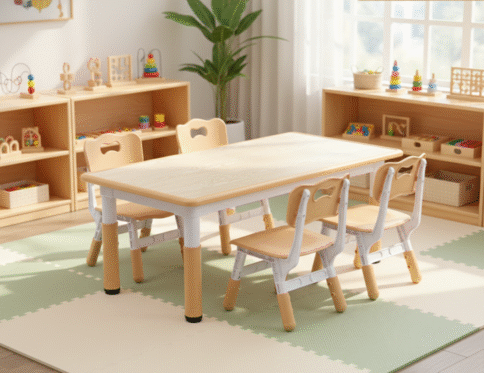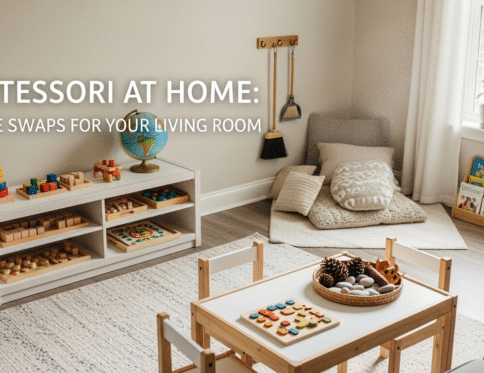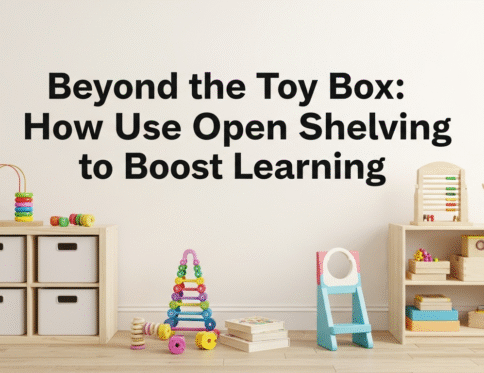




The beautiful, serene images of perfectly organized Montessori classrooms can be both inspiring and incredibly intimidating. The minimalist wooden shelves, the specialized learning materials, the overall sense of calm—it’s easy to assume this approach is out of reach without a significant financial investment. As someone passionate about this philosophy, I want to share a crucial secret: you can absolutely create a rich, effective, and beautiful Montessori-inspired space right in your home. The key is to embrace Montessori on a budget, focusing on the core principles of the method rather than the price tag of the materials.
This guide is designed to be a comprehensive resource that provides the unique value and first-hand experience Google’s Helpful Content System rewards. We will go beyond a simple list of cheap toys and instead focus on how to authentically implement the Montessori philosophy in a way that is both affordable and deeply enriching for your child.
The Montessori Mindset: Your Most Valuable (and Free) Asset
Before spending a single dollar, the most important step is to understand the “why.” The Montessori method is not about the specific items on a shelf; it’s a philosophy centered on respecting the child, fostering independence, and preparing an environment that encourages self-directed exploration. This mindset is completely free. True Montessori on a budget begins with observing your child, understanding their interests, and committing to creating a space that supports their natural development.
The Prepared Environment on a Dime
A cornerstone of the Montessori method is the
prepared environment: a space designed entirely around the child’s needs and scale. Here’s how to achieve it without breaking the bank.
- Declutter and Simplify: One of the most impactful changes you can make costs nothing. Remove excess toys, visual clutter, and distractions. A calm, uncluttered space helps children focus. Implement a toy rotation system, keeping only a handful of purposeful activities on a low, accessible shelf at one time.
- Source Low, Accessible Shelving: You don’t need to buy an expensive, brand-name Montessori shelf. Thrift stores, secondhand marketplaces, and even your own home are full of options. A low-lying TV stand, a sturdy coffee table, or even the bottom two shelves of a robust bookcase can work perfectly. The goal is simply for the child to be able to see their choices and access them independently.
- The Magic of Trays: Trays are essential for organizing activities and defining a workspace. You can find beautiful wooden, wicker, or ceramic trays at thrift stores for a dollar or two. They visually contain the materials for an activity, making it more appealing and easier for the child to manage and put away.
Sourcing Affordable Learning Materials
This is where creativity makes Montessori on a budget truly shine. The focus should be on materials that are hands-on, based in reality, and isolate a single skill.
- Thrift Stores Are Your Best Friend: Look for real-world items that can be used for practical life activities. Small glass pitchers, wooden bowls, tongs, spoons, baskets, and small vases are fantastic finds. These real items are preferable to plastic toy versions as they teach children to be careful and respect their belongings.
- The Power of DIY Montessori Materials: Many classic Montessori activities can be easily replicated at home.
- Pouring Activities: Use dried beans, rice, or water with two small, thrifted pitchers on a tray.
- Spooning and Tonging: Place beads or pom-poms in one bowl and provide a small spoon or tongs to transfer them to another.
- Color Sorting: Use colored craft sticks and homemade sorting cups made from painted toilet paper rolls.
- Nature’s Classroom is Free: Your backyard or local park is full of affordable learning materials. Collect leaves, stones, and sticks for sorting and counting. Use flowers for a simple flower-arranging activity with a small vase and water. These natural items connect the child to their environment and provide rich sensory experiences. For more on the philosophy, authoritative sources like the American Montessori Society offer deep insights into the core principles.
Budget-Friendly Classroom Corner: Practical Life Activities
Practical life activities are the heart of a Montessori education for young children. They build concentration, fine motor skills, and a sense of purpose.
- In the Kitchen: Involve your child in real work. Let them wash vegetables in a bowl, stir pancake batter, or use a crinkle cutter to slice a banana. These aren’t “extra” activities; they are foundational to building confidence and coordination.
- Caring for the Home: Provide child-sized tools for cleaning. A small dustpan and brush, a spray bottle with water for wiping a small table, or a cloth for polishing are all you need to create purposeful work that children genuinely enjoy.
Ultimately, creating a Montessori-inspired space is an act of love and observation, not a measure of your bank account. By focusing on the principles of simplicity, independence, and real-world engagement, you can build a budget-friendly classroom that will serve your child’s development beautifully.
Disclaimer: This blog post is for informational purposes only. It is based on personal experience and a general understanding of the Montessori philosophy and is not a substitute for professional educational advice. Please ensure all activities and materials are age-appropriate and supervised for your child’s safety.