


Remember the pure joy of squishing mud between your fingers as a child? Or the fascinating sound of rice falling through a funnel? These weren’t just moments of mess-making – they were powerful learning experiences that shaped your understanding of the world. Today, we’re diving into the wonderful world of sensory materials and how they create not just learning opportunities, but genuine pleasure in discovery.
Why Sensory Materials Matter
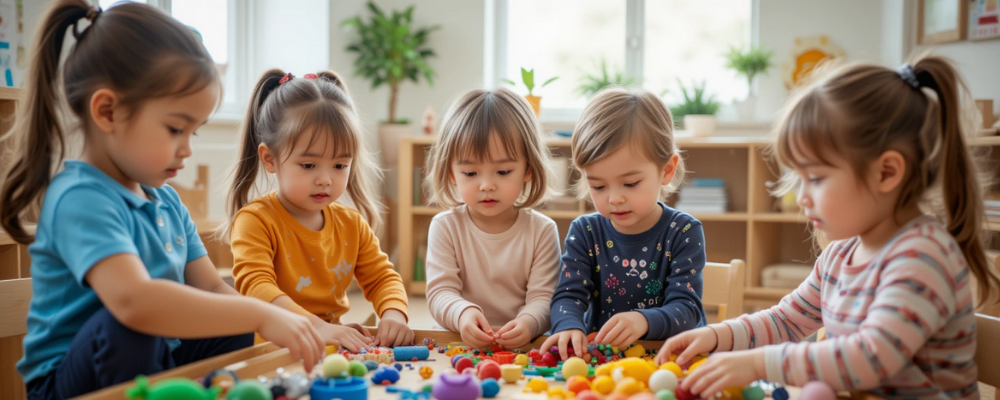
When children engage with sensory materials, they’re doing much more than playing. Their brains light up with activity as they process different textures, sounds, temperatures, and movements. Each squish, pour, and pat builds neural connections that form the foundation for future learning.
Think of sensory play as your child’s first science laboratory. When they discover that dry sand flows differently than wet sand, they’re learning about physics. When they mix colors in playdough, they’re exploring chemistry. These hands-on experiences create what educators call “embodied learning” – knowledge that sticks because it’s connected to physical experience.
Getting Started with Sensory Play
Creating meaningful sensory experiences doesn’t require expensive materials or elaborate setups. Here are some easy-to-implement ideas:
Natural Materials
Start with what nature provides: sand, water, leaves, and pebbles. These materials offer endless possibilities and connect children with the natural world. Fill a shallow bin with autumn leaves and watch as your child discovers different textures, sounds, and colors.
Kitchen Discoveries
Your kitchen is a treasure trove of sensory materials. Dried beans, rice, pasta, and flour can become the foundation for rich learning experiences. Add measuring cups and funnels to encourage mathematical thinking while children pour and transfer materials.
Sensory Tables and Bins
Create dedicated spaces for sensory exploration. A simple plastic bin can transform into an arctic landscape with ice and polar animals, or a construction site with kinetic sand and toy trucks. The key is to rotate materials regularly to maintain interest and introduce new concepts.
Making Learning Meaningful
Remember these essential tips as you introduce sensory materials:
- Follow your child’s lead. If they’re fascinated by how water beads roll, extend that interest with similar materials.
- Ask open-ended questions: “What happens when…?” or “How does it feel when…?”
- Give time for exploration. Deep learning happens when children can fully investigate materials at their own pace.
- Document discoveries. Take photos or notes about what captures your child’s interest to inform future activities.
Safety First
While sensory play should be fun and relatively free, always supervise young children and ensure materials are age-appropriate. Keep these safety guidelines in mind:
- Choose non-toxic materials
- Consider allergies and sensitivities
- Use appropriate sized materials to prevent choking hazards
- Clean and sanitize materials regularly
Beyond the Basics
As children grow more comfortable with basic sensory experiences, you can introduce more complex materials and concepts:
- Color-changing materials to explore cause and effect
- Scented materials for olfactory development
- Materials with different temperatures for scientific discovery
- Varying textures to build vocabulary and descriptive language
The Role of Adults
Your role in sensory play is crucial but should remain subtle. Be present to ensure safety and extend learning, but resist the urge to direct the play. Your enthusiasm and genuine interest in their discoveries will encourage deeper exploration and learning.
Conclusion
Learning through sensory materials isn’t just about educational outcomes – it’s about nurturing the natural joy of discovery. When we provide rich sensory experiences, we’re not just teaching; we’re cultivating lifelong learners who approach the world with curiosity and excitement.
Remember, every moment of sensory exploration is building your child’s understanding of the world. So next time you see your little one elbow-deep in cloud dough or carefully pouring colored water, know that you’re witnessing the beautiful intersection of pleasure and learning.
Ready to start your sensory journey? Begin with simple materials you already have at home, and watch as your child’s natural curiosity leads the way to meaningful discoveries.