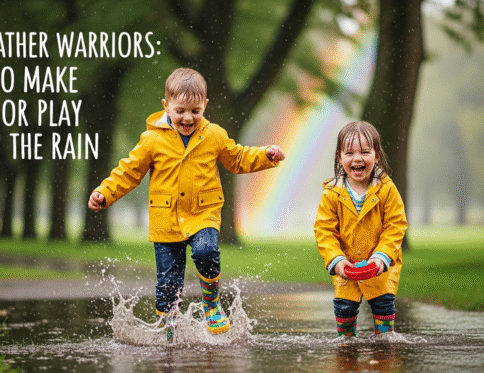


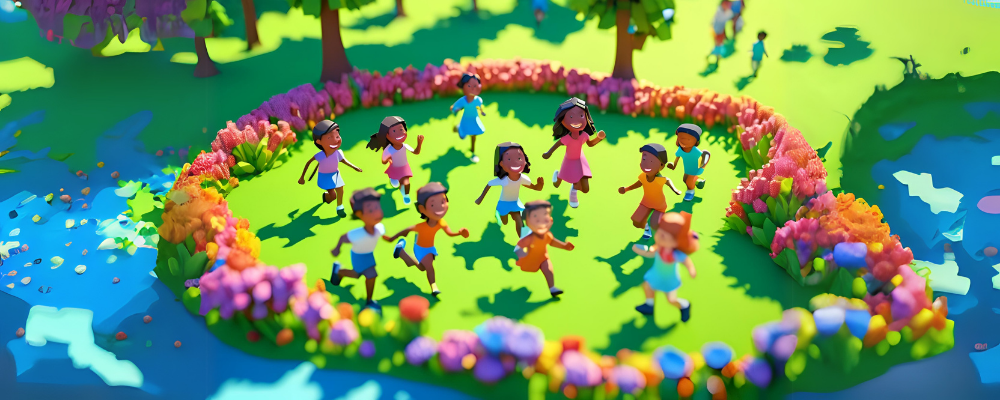

Getting children outside and engaged with nature isn’t just about fresh air – it’s about building crucial life skills while having fun. Today’s tech-heavy world makes outdoor play more important than ever. Let’s explore activities that nurture your child’s connection with nature, develop their physical abilities, and spark their creativity.
Building Motor Skills Through Natural Play
The natural world is the perfect gymnasium for developing both fine and gross motor skills. Encourage your children to:
Create nature art collections by gathering leaves, pinecones, and flowers. This activity enhances hand-eye coordination while fostering creativity. Children can sort items by size, color, or texture – building cognitive skills alongside motor development.
Practice balance and coordination by walking on fallen logs or stepping stones. Set up natural obstacle courses using rocks, branches, and hills. These challenges strengthen core muscles and improve spatial awareness naturally.
Imaginative Adventures in the Great Outdoors
Nature provides an endless stage for imaginative play. Transform a cluster of trees into a magical forest kingdom or turn a meadow into an explorer’s paradise. Build fairy houses using sticks, leaves, and flowers, encouraging both creativity and engineering thinking.
Secret hideouts and nature-based forts help develop problem-solving skills while providing a sense of independence. Children learn to assess materials, plan structures, and work together – all while their imaginations soar.
Science and Discovery in Every Step
Turn every outdoor session into an engaging learning experience. Create nature journals where kids can sketch discoveries and track seasonal changes. This combines motor skill development with scientific observation and artistic expression.
Set up simple experiments like comparing plant growth in different locations or studying insect behavior. These activities develop critical thinking while maintaining that crucial connection with the natural world.
Tips for Parents and Educators
- Start with short, focused outdoor sessions to build interest
- Pack basic supplies like magnifying glasses and collection containers
- Let children lead explorations while providing gentle guidance
- Incorporate seasonal activities to keep experiences fresh year-round
- Document adventures through photos or drawings to track progress
Safety and Supervision
While encouraging independent exploration, maintain appropriate supervision levels. Teach children to identify common hazards like poison ivy and establish clear boundaries for exploration areas. This builds confidence while ensuring safety.
Remember, every outdoor adventure is an opportunity for growth. Whether it’s climbing trees, planting gardens, or simply cloud watching, these activities lay the foundation for healthy development and a lifelong connection with nature.