


Every child is born with an innate desire to explore, understand, and master their environment. Dr. Maria Montessori recognized this fundamental truth when developing her revolutionary educational method. Today, this approach continues to transform early childhood education by harnessing children’s natural curiosity and drive to learn.
The Science Behind Natural Learning
Research in developmental psychology consistently supports Montessori’s observations about children’s intrinsic motivation to learn. Studies show that children who follow their natural interests develop stronger cognitive skills and retain information more effectively. This self-directed learning approach activates the brain’s reward centers, making the learning process both enjoyable and sustainable.
Key Elements of Natural Learning in Montessori
Freedom of Choice
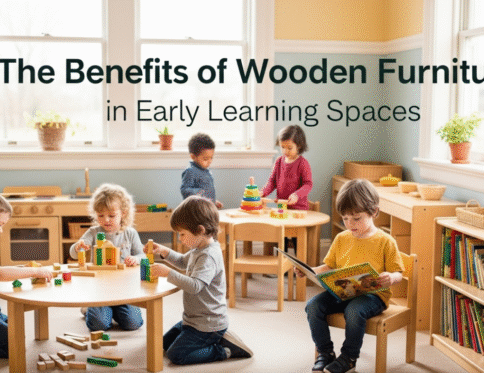
In Montessori classrooms, children choose activities that spark their interest. This freedom nurtures their decision-making skills and helps maintain their enthusiasm for learning. When children select their own activities, they develop a sense of ownership over their education.
Prepared Environment
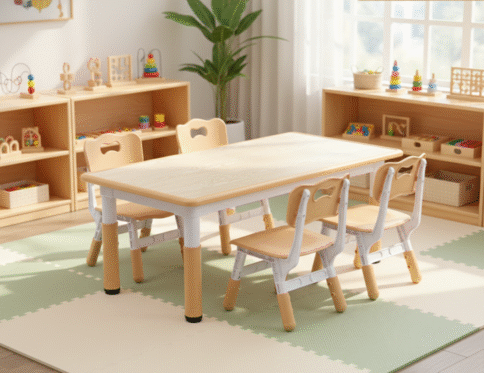
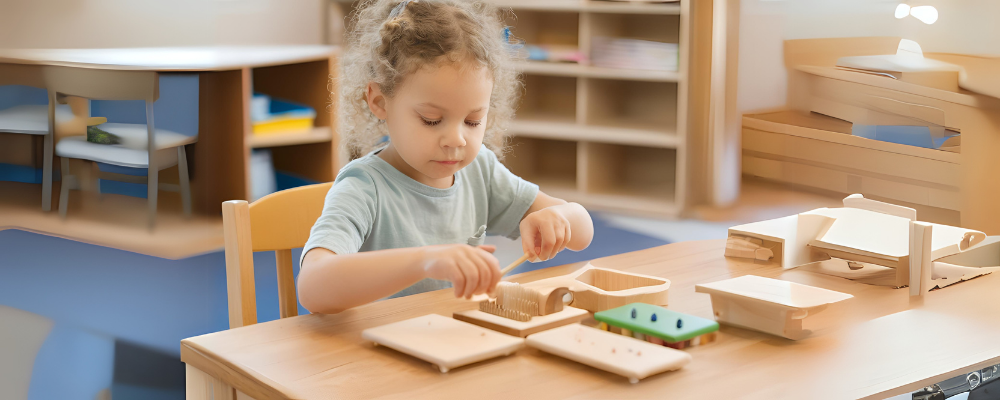
The carefully designed Montessori environment supports natural learning through:
- Age-appropriate materials that encourage exploration
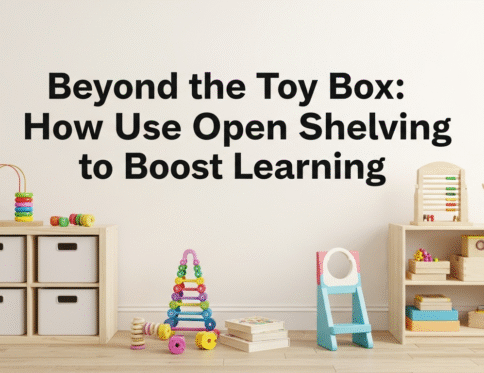
- Accessible shelves and workspaces
- Materials that provide immediate feedback
- Order and organization that promote independence
Observation and Support
Montessori guides observe each child’s interests and development, offering support when needed without interrupting the natural learning process. This approach helps maintain the child’s concentration and supports their developing independence.
Benefits of Following the Child’s Natural Learning Path
Following a child’s natural learning inclinations leads to:
- Increased motivation and engagement
- Better concentration and focus
- Development of self-discipline
- Stronger problem-solving abilities
- Greater creativity and innovation
Supporting Natural Learning at Home
Parents can support their child’s natural learning drive by:
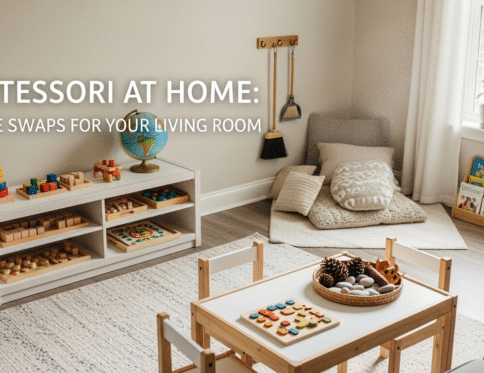
- Creating an organized, child-friendly space
- Allowing time for uninterrupted exploration
- Following the child’s interests
- Offering age-appropriate challenges
- Celebrating effort and progress
The Long-Term Impact
Children who learn through this natural approach typically develop strong executive function skills, emotional intelligence, and a lifelong love of learning. These foundational skills prepare them for future academic success and personal growth.
Remember, every child has their own unique path to learning. The Montessori method’s respect for this individuality helps preserve and nurture each child’s natural desire to learn, creating confident, capable, and curious learners.